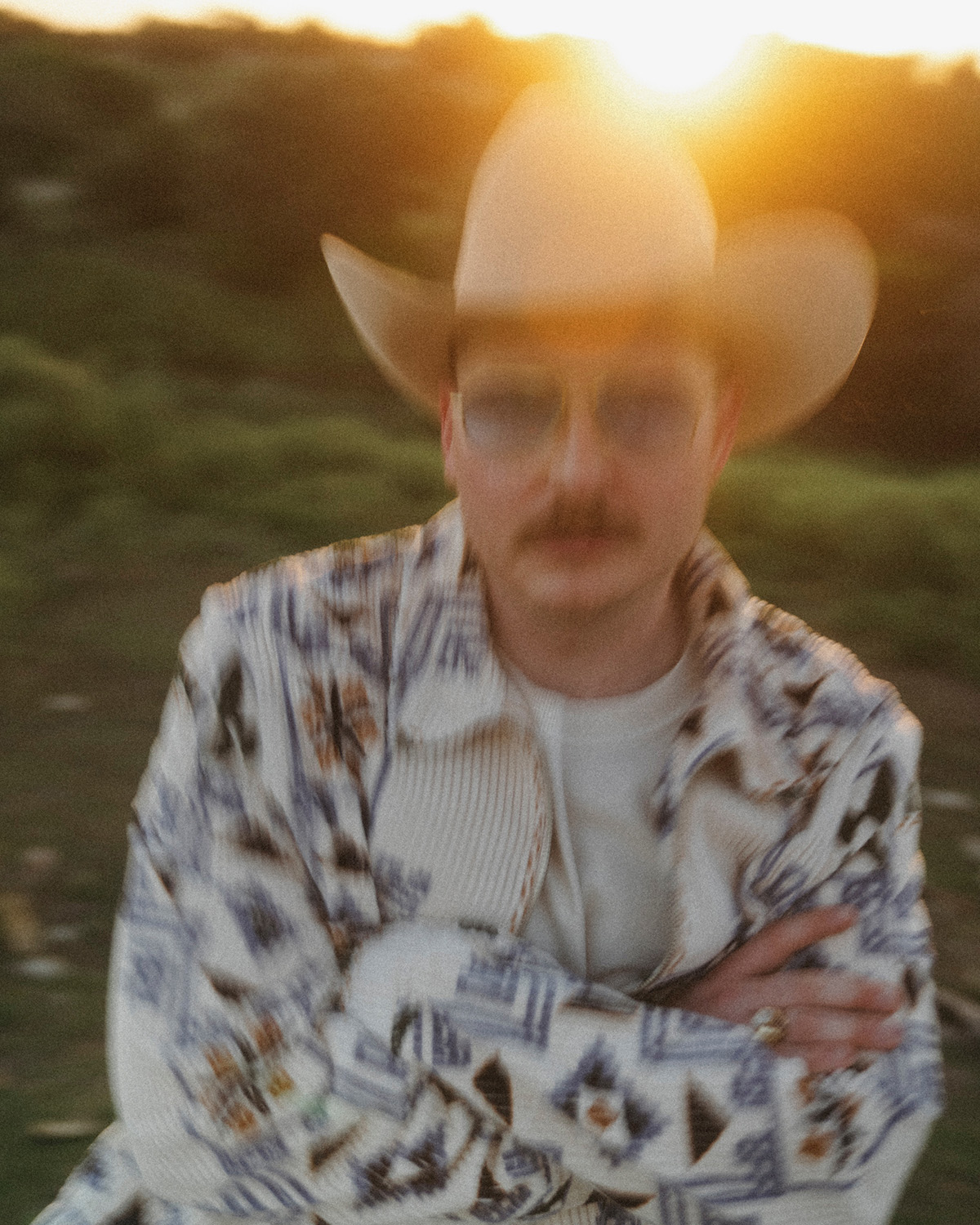
MATTHEW McNEAL… THE LIFE BEHIND HIGHLONESOME
Matthew McNeal doesn’t talk about music like someone chasing the next opportunity. He talks about it like someone who’s spent most of his life trying to understand why certain songs refuse to leave him alone.
– WORDS BY CJ / PHOTOS BY DUSTIN McLAUGHLIN
A few weeks after winning the 2026 JAMBALOO Music Prize, the Fort Worth songwriter is still carrying the weight of HIGHLONESOME, an album that feels remarkably unconcerned with fitting inside a single genre. Folk gives way to Americana. Indie rock opens into soul. Moments of quiet reflection sit comfortably beside songs that feel built for a full band pushing air around a room. Rather than sounding scattered, the record feels lived in, documenting a season of life instead of trying to define an artistic identity.
Looking back now, McNeal says that was always the goal.
“I wanted this album to be representative of who I am and who I’ve become as an artist,” he says. “The songs came together to show where both my head and my heart were at.”
That honesty runs through the entire record. Whether it’s the hopeful optimism that opens Faces, the self-examination threaded through Dropped The Ball, or the quiet ache carried by Never Got To Say Goodbye, HIGHLONESOME rarely sounds like an artist trying to write “important” songs. Instead, it sounds like someone documenting life as it’s happening, allowing every contradiction to exist without forcing neat conclusions.
Some records are shaped as much by what gets left behind as what finally makes the tracklist. HIGHLONESOME wasn’t one of them.
Every song written during the recording sessions found its place on the album. There wasn’t a hidden masterpiece sitting on a hard drive waiting for another release cycle. The only songs that arrived later became the deluxe edition’s Sense of Wonder and Smoke And Mirrors, tracks McNeal sees less as discarded leftovers than the next chapter after the album had already begun finding its audience.
That approach feels consistent with the record itself. Nothing about HIGHLONESOME sounds over-curated. Songs breathe. Arrangements expand when they need to and disappear when they don’t. The album trusts the listener enough not to chase perfection.
There are moments that justify everything. Walking on stage. Finding the right take in the studio. Hearing strangers sing words that started in complete solitude… The rest is work.
For an independent artist, though, there isn’t much room for mythology. McNeal laughs at the romantic image many people have of life as a full-time musician.
“People often assume it’s a carefree lifestyle,” he says. “That couldn’t be further from the truth.”
There are moments that justify everything. Walking on stage. Finding the right take in the studio. Hearing strangers sing words that started in complete solitude… The rest is work.
Booking shows. Answering emails. Managing releases. Planning tours. Independence offers creative freedom, but it also demands that artists become managers, marketers and accountants long before they ever get to be musicians. That reality has reshaped how McNeal thinks about success.
When he was sixteen, there wasn’t a blueprint waiting for him. He wasn’t surrounded by professional musicians or industry connections. Instead, he found his education inside local DIY venues where hardcore shows taught him that music could be something much bigger than entertainment.
Those rooms weren’t about record sales or streaming numbers. They were about community.

Looking back now, he doesn’t think the younger version of himself would be surprised by the path his life eventually took. “I think if you told sixteen-year-old Matt what I’m doing now, he wouldn’t be surprised in the slightest.” What has changed is his definition of achievement.
Like many musicians, he once believed there would be a single breakthrough that changed everything. “I used to think that one moment would change everything.”
Years later, HIGHLONESOME almost feels like an argument against that idea. The album isn’t chasing a career-defining hit. It’s interested in something much slower and ultimately more lasting. “It’s about having decades worth of records that show a life well lived.”
Looking back now, he doesn’t think the younger version of himself would be surprised by the path his life eventually took. “I think if you told sixteen-year-old Matt what I’m doing now, he wouldn’t be surprised in the slightest.”
What has changed is his definition of achievement. Like many musicians, he once believed there would be a single breakthrough that changed everything.
“I used to think that one moment would change everything.”
That philosophy explains why McNeal measures success less by statistics than by conversations after shows. When someone tells him they connected with one of his songs, he isn’t hoping they’re talking about guitar tones or production decisions.
“I hope the music made them feel something,” he says. “Feeling not so alone. Feeling seen. Feeling peace.”
Those themes echo throughout HIGHLONESOME. The record returns again and again to ideas of belonging, forgiveness, regret and hope without ever becoming heavy-handed. Even in its quietest moments, it reaches outward rather than inward, inviting listeners to find pieces of themselves inside the songs.
Watching audiences sing those words back is still something McNeal hasn’t entirely figured out.
“It still rocks my world.”
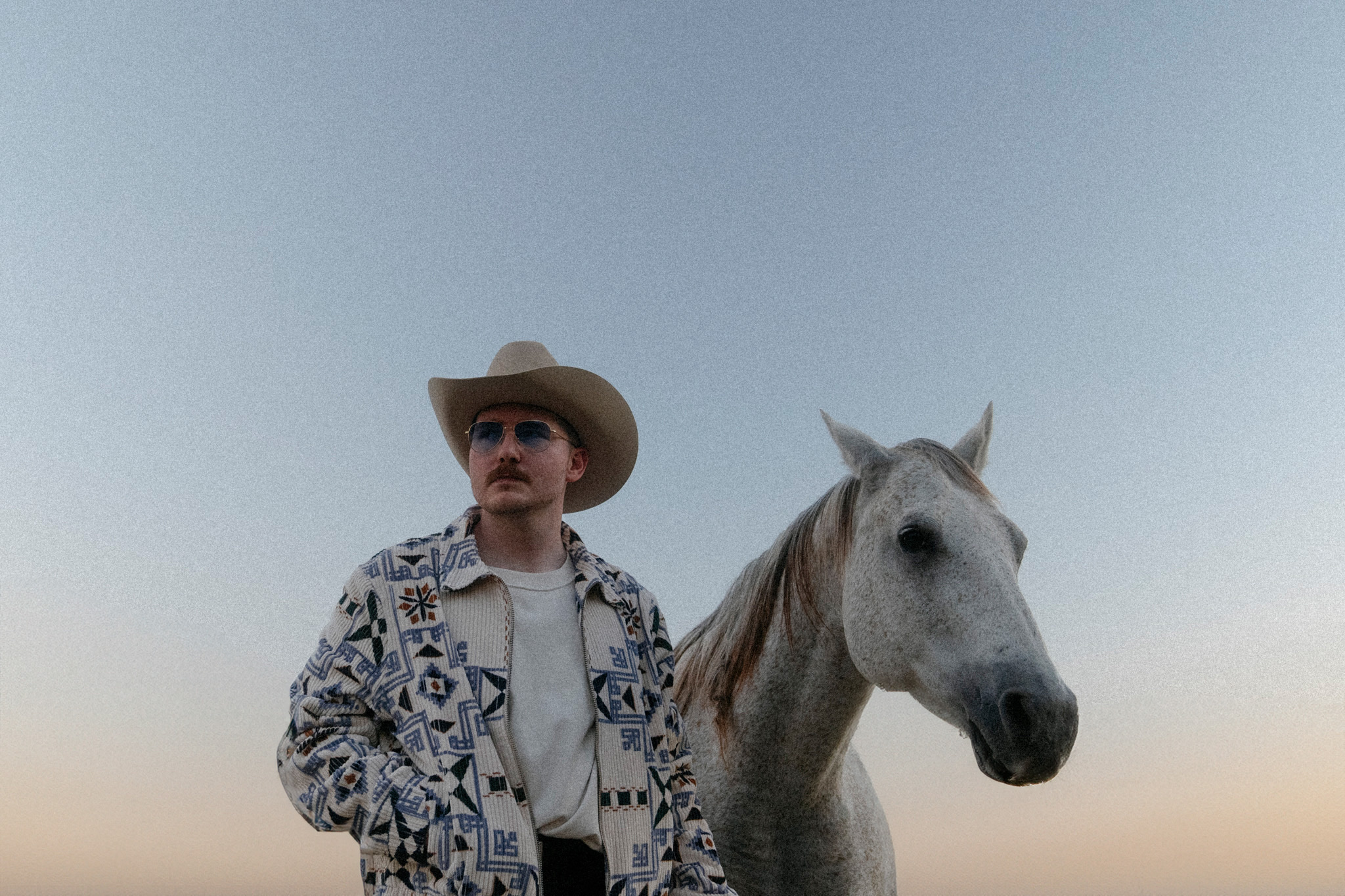
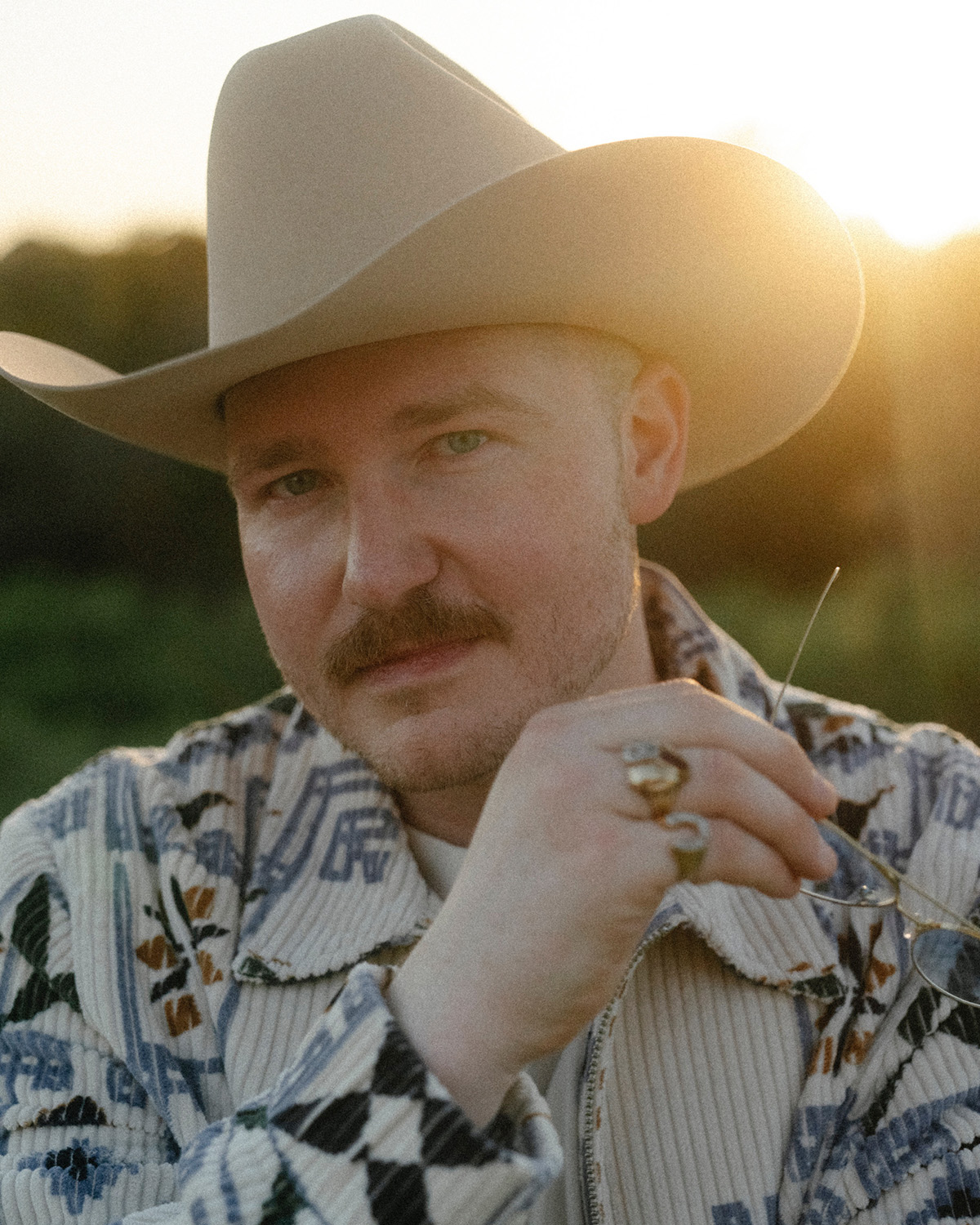
Ask who first showed him that kind of emotional honesty was possible and the answer comes immediately.
Dallas Green.
Through City And Colour and Alexisonfire, Green became proof that vulnerability and intensity never had to exist separately. A song could whisper and still hit with enormous force. That lesson continues to shape McNeal’s writing today.
The connection runs even deeper than influence.
McNeal met his wife Emily at a Dallas Green concert. Years later, he found himself telling Green that story in person.
“It was really special to me.”
Like the best singer-songwriters, McNeal understands that records aren’t static objects.
They’re snapshots.
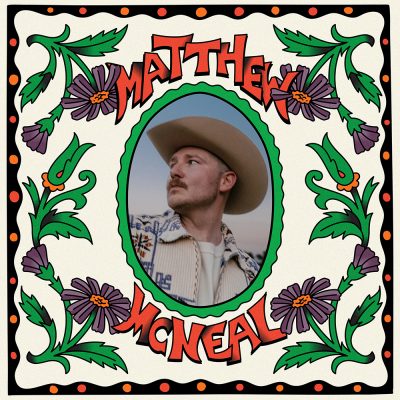
That may be the simplest way to understand HIGHLONESOME. It’s less interested in presenting answers than preserving a moment before life inevitably changes again.
Every album captures the person you were while quietly pointing toward the person you’re still becoming.
“The album is a time capsule,” he says. “It becomes more true as time goes on.”
That may be the simplest way to understand HIGHLONESOME. It’s less interested in presenting answers than preserving a moment before life inevitably changes again.
By the end of our conversation, music almost disappears altogether.
Asked what he’s working on improving, McNeal never mentions songwriting.
He talks instead about slowing down.
Making dinner with his wife.
Laughing more.
Watching his dog sleep on the couch.
Spending time with the people who matter before opening the notebook again.
Those ordinary moments, he says, are what refill the well creativity draws from.
It’s difficult not to hear HIGHLONESOME differently after that.
The album is full of big emotions, but they’re grounded in ordinary life. The songs aren’t reaching for dramatic revelations. They’re paying attention to the quiet moments that eventually become the stories we tell ourselves years later.
That’s ultimately what makes HIGHLONESOME linger. Not because it’s trying to announce itself as an important record, but because it sounds like someone paying close enough attention to life that the songs couldn’t help but become honest.