HIFI: Dallas Is Learning to Listen Again
Side A Social founder Moody Fuqua on hi-fi culture, analog sound and why the city may be ready for a different kind of night out.
– WORDS BY CJ
For years, nightlife has been locked in an arms race. Bigger production. Brighter screens. Louder rooms. More things competing for your attention at once. Music might be playing, but it is often expected to fight its way through conversation, bottle service, phones, lighting rigs and the general pressure to make every night look more exciting than it actually feels.
Listening rooms offer something quieter, although not necessarily in volume.
They ask people to stop treating music as decoration.
Through Side A Social, Moody Fuqua has been creating music-led experiences built around a mobile, completely analog sound system. He also works part-time at Shyboy HiFi, where listening sessions inside the Blue Room have offered Dallas audiences the opportunity to sit with music rather than simply pass through it.
For Fuqua, the renewed interest in hi-fi listening is not only about impressive equipment. It comes from the fact that many people have rarely been given the opportunity to hear recorded music reproduced properly.
“When I was growing up, your stereo was an integral part of your bedroom and even your car,” he says. “Today, with the push toward portability and convenience, most people are listening on mono Bluetooth speakers, laptop speakers or factory car stereos.”
Convenience has given us constant access to almost every song ever made, but access and attention are not the same thing. Music is now everywhere, frequently playing through devices designed to be small, portable and unobtrusive. A generation may know more music than ever while having surprisingly few opportunities to hear its full physical and emotional range.
“I think a lot of the younger generation is hearing music in these hi-fi listening spaces the way it was intentionally recorded to be heard for the very first time,” Fuqua says. “When music is reproduced with clarity, depth and dynamics, it becomes a completely different experience.”
That difference changes the DJ’s role as well.
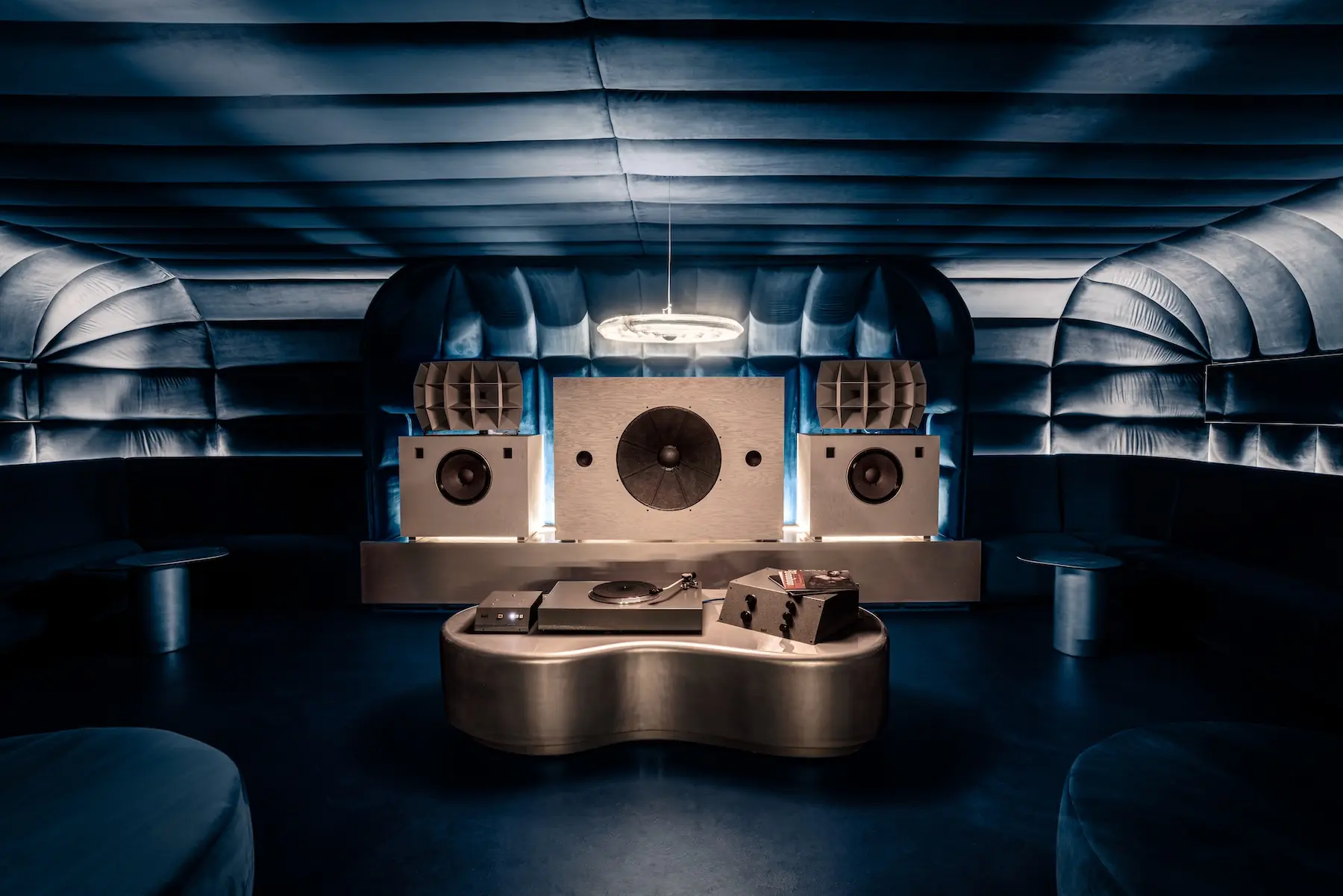
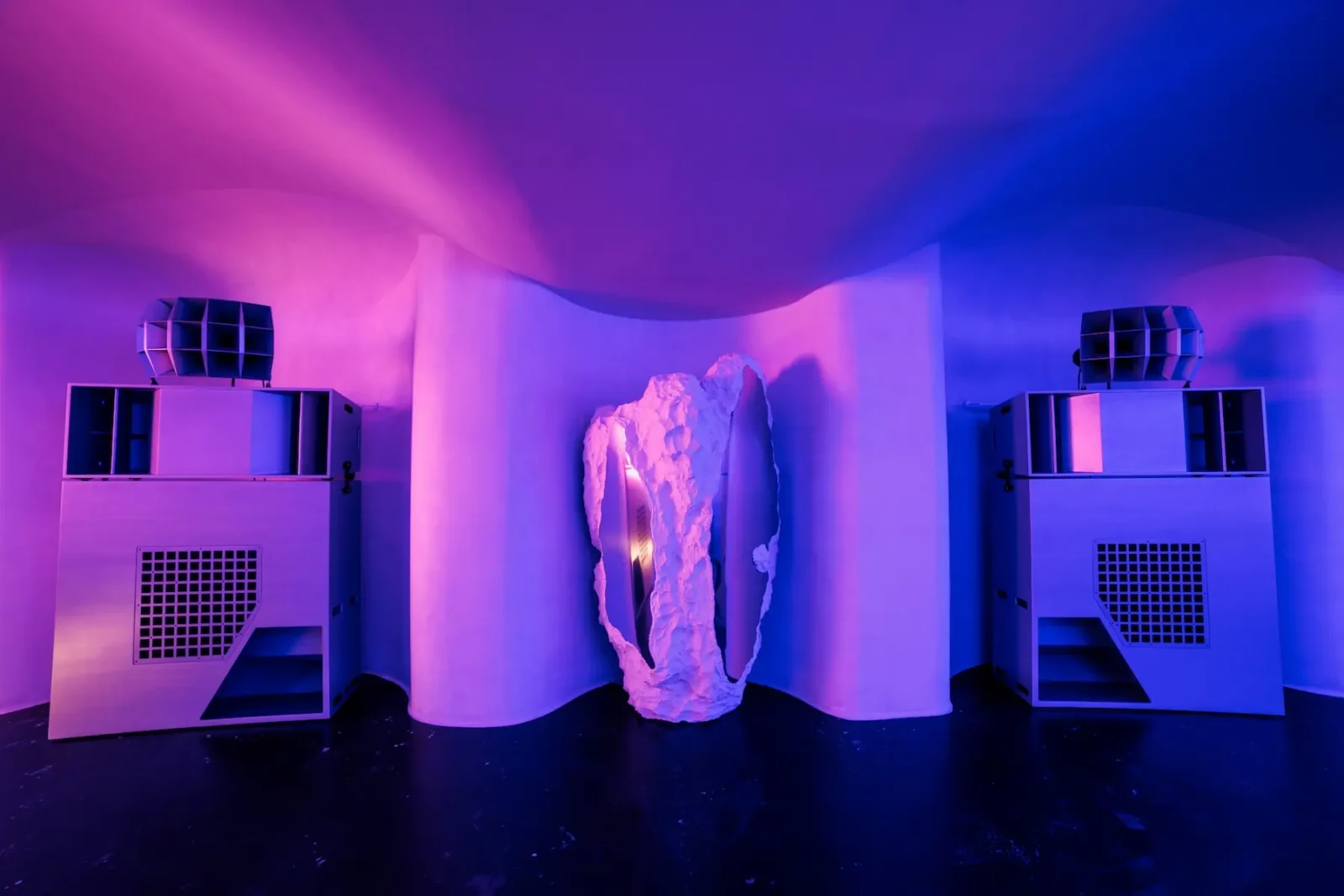
In a traditional bar, selection can become a negotiation between the dance floor, the room’s energy and the limits of a sound system that may never have been designed for attentive listening. On a detailed analog system, records are no longer chosen solely because of what they contain. They are also chosen for how they were recorded, pressed and produced.
Fuqua has seen DJs reconsider their selections before playing on his system, reaching for records they believe will reveal something special when given enough space. “I’ve had DJs tell me they brought out specific records because they knew they’d sound incredible on the system, and then ended up hearing details in those recordings they’d never noticed before,” he says. “To me, that’s the ultimate compliment.” The system does not only amplify music. At its best, it reintroduces the selector to records they may have owned for decades. “When a sound system reveals something new in music you’ve known for years, it changes not only what you play, but how you listen.”
That emphasis on expensive and often visually striking equipment has also made hi-fi culture easy to imitate. Speakers can become part of a room’s branding: another photogenic design object alongside low lighting, carefully selected furniture and an intimidating shelf of vinyl. Fuqua believes the equipment is only the beginning.
“Room treatment, speaker placement and tuning,” he says when asked what separates a genuine listening space from a stylish room with expensive speakers. “You can have an incredible sound system in an untreated room that sounds just okay, while a modest system in a well-treated room can sound fantastic.”
Sound is not static. A room changes as people enter it. Bodies absorb frequencies, conversations alter the atmosphere and a system that sounded balanced during an afternoon soundcheck may need constant adjustment once the night begins. Fuqua admits that his approach is still guided heavily by instinct. “I haven’t even scratched the surface of mathematical tuning yet. I do it by ear and feel, but I’ve also heard rooms that were technically perfect and had no feel to them.”
It explains why he can often be found standing with his arms folded during an event, listening from different points in the room and making small adjustments throughout the night. “The real difference isn’t just expensive gear,” he says. “It’s passion, intention and having the ears to make a room feel alive.”
Despite the current attention surrounding listening bars and analog sound, Fuqua is reluctant to present any of this as a newly invented culture. “The only thing new about this is that it’s happening in 2026 instead of the past,” he says. “Culture is cyclical, and when people are spoonfed the same disposable experiences for long enough, they naturally start reaching for something more tangible and meaningful.”
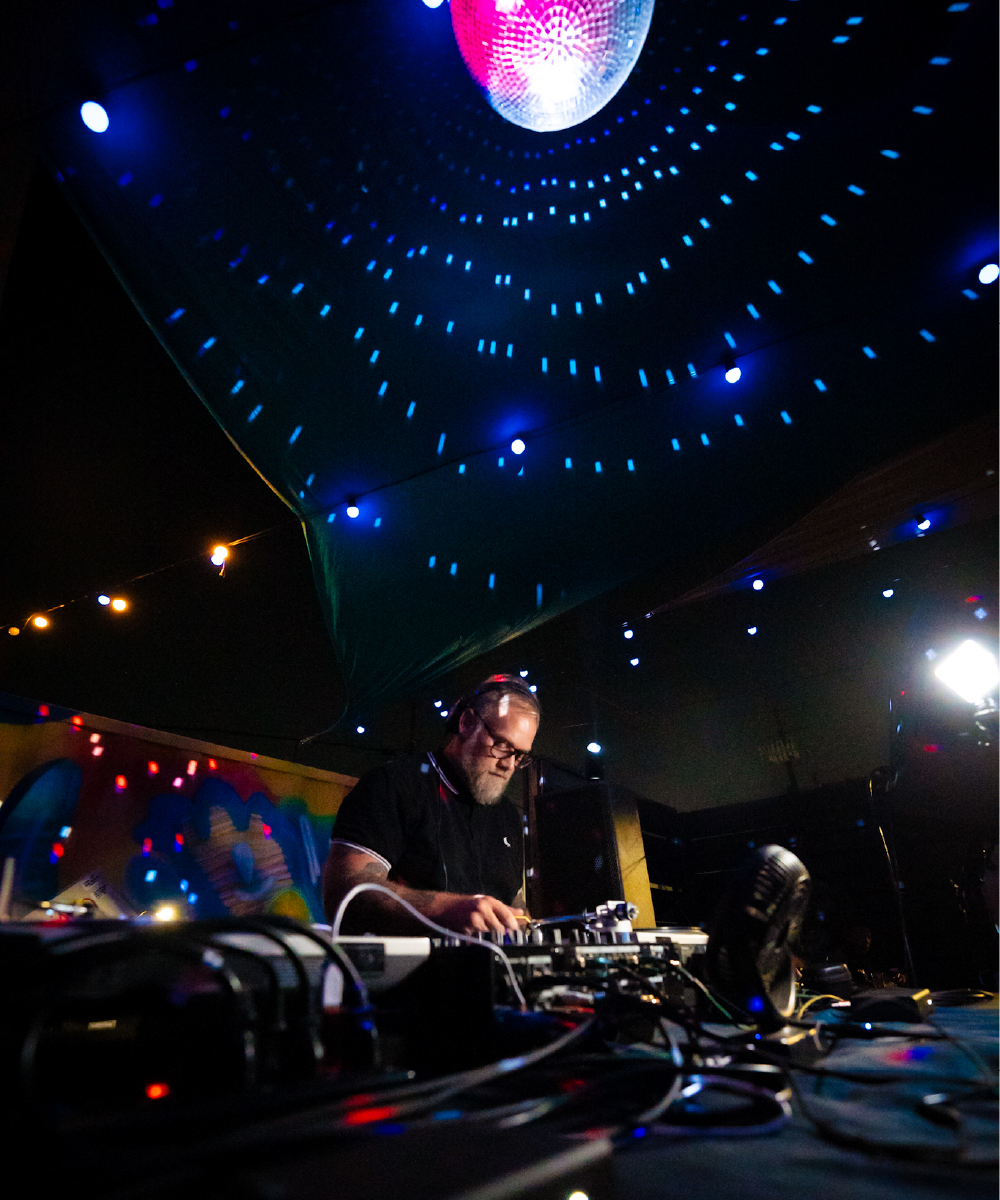
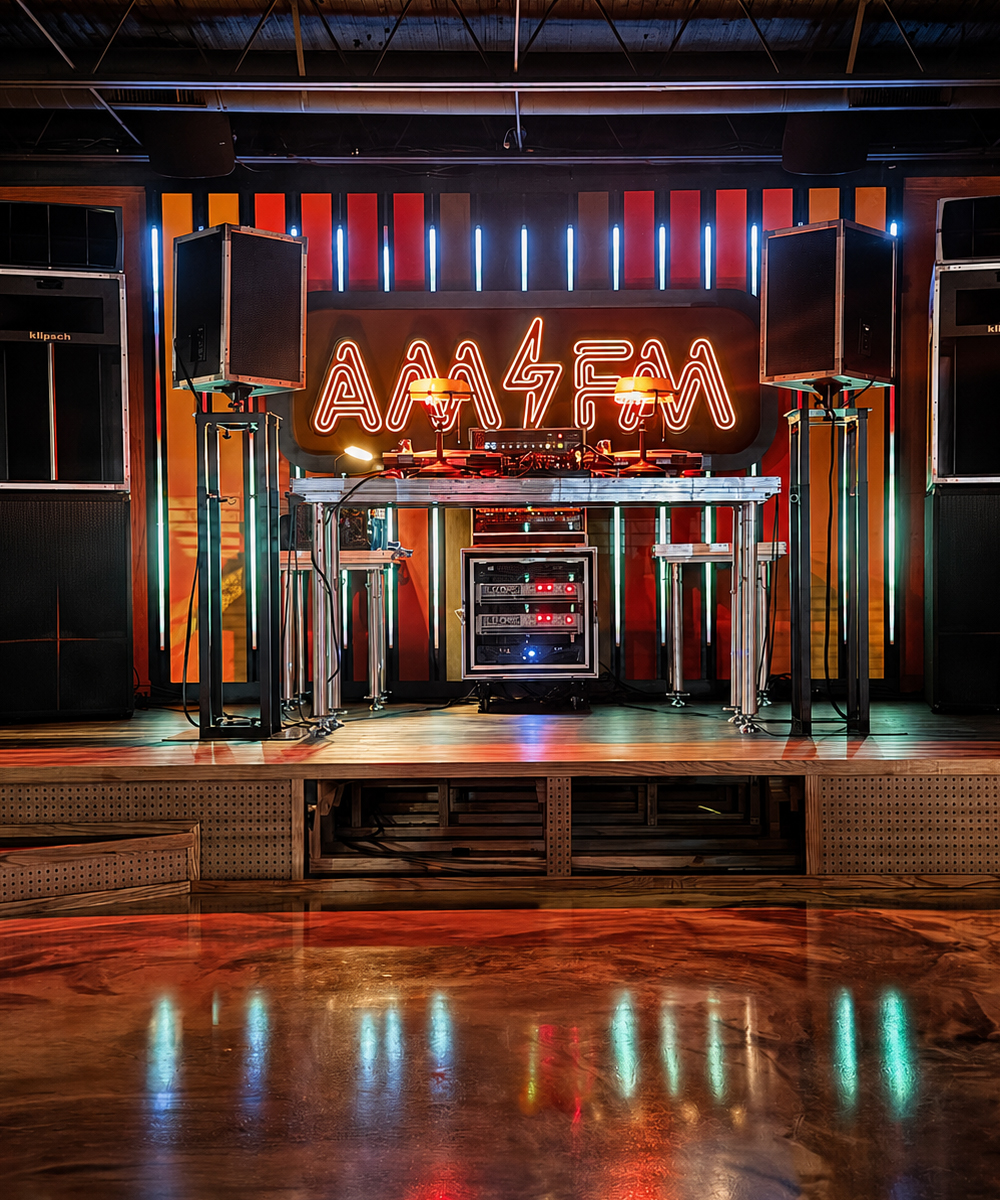
DFW has never lacked talented DJs, musicians, producers or record collectors. Nor have people suddenly discovered that music can bring strangers into the same room and create a temporary community around a shared feeling. What may be changing is the appetite for spaces that place that experience back at the center.
“DFW has always had incredible musicians, producers and DJs, both during my time and long before it,” Fuqua says. “The talent has never been the issue.” For him, the larger challenge is collaboration. A listening culture cannot grow through isolated rooms competing to be seen as the most authentic. It requires venues, selectors, audiences and sound enthusiasts to support one another and build something sustainable. “The next step is simply learning to work together more, put egos aside and build something bigger than ourselves.”
There is already evidence that audiences are interested. At Shyboy HiFi’s Blue Room sessions, Fuqua has watched people engage with music once they are given permission to make listening the central activity rather than something happening beneath the rest of the night. “I’ve seen firsthand how well they’re attended and how engaged people become when they’re given the space to simply listen,” he says.
That space may matter more now because it runs against almost every other pressure in contemporary life. Music platforms are built around endless choice, social feeds are designed to prevent stillness and entertainment arrives as a continuous stream, immediately replaced by whatever comes next. A listening room temporarily interrupts that rhythm.
“We’re living in a subscription-based, always-on world where time seems to move faster every year,” Fuqua says. “Because of that, I think more people are craving experiences that encourage them to slow down, be present and actually connect with the music and with each other.”
The future of Dallas hi-fi culture will not depend on how many venues purchase beautiful speakers or begin using the language of intentional listening. It will depend on whether those rooms protect the qualities that made people pay attention in the first place. The equipment matters, the records matter and the person tuning the room matters. But the real promise is simpler: for a few hours, the music does not have to compete with everything else.
It gets to be the reason everyone came.