Our regular look at artists worth paying attention to now.
Three acts with new music, growing momentum and a reason to get on your radar before everybody else catches up.
– WORDS BY JAMBALOO EDITORIAL TEAM
ear
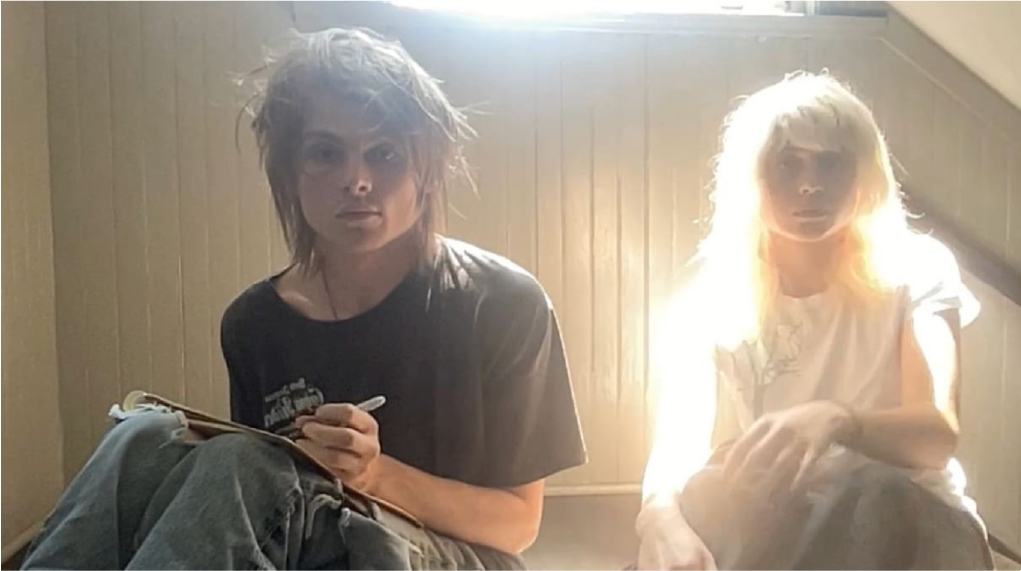
ear make music that feels as though someone left a laptop open long enough for an entire private world to grow inside it. The New York duo of Jonah Paz and Yaelle Avtan pull together indie pop, IDM, glitch, twee and the harder edges of electronic music, letting whispered melodies and small, almost accidental sounds sit next to bass drops, chopped samples and songs that can change direction before you have properly worked out where they started.
Their second album, Rumspringa, arrived through A24 Music in May, less than a year after 2025 debut The Most Dear and the Future. The title borrows from the Amish period of exploration outside the community, and that sense of leaving familiar ground runs through a record that feels considerably more deliberate without losing the strange intimacy that made ear interesting in the first place. Songs like “Ne Plus Ultra,” “Coil” and “Amsterdam” move between fragile pop and fractured electronics while voice notes, memories and half-heard sounds keep appearing around the edges.
Things are beginning to accelerate around them. After sold-out shows on both sides of the Atlantic, ear have moved into a run of North American dates and festival appearances including Making Time ∞, CRSSD and Portola, while Rumspringa gets a physical release this fall. The interesting part is that none of that momentum has made the music easier to explain. ear still sound like two people discovering what their band can be in real time, which is probably exactly why it feels so current.
MILDRED
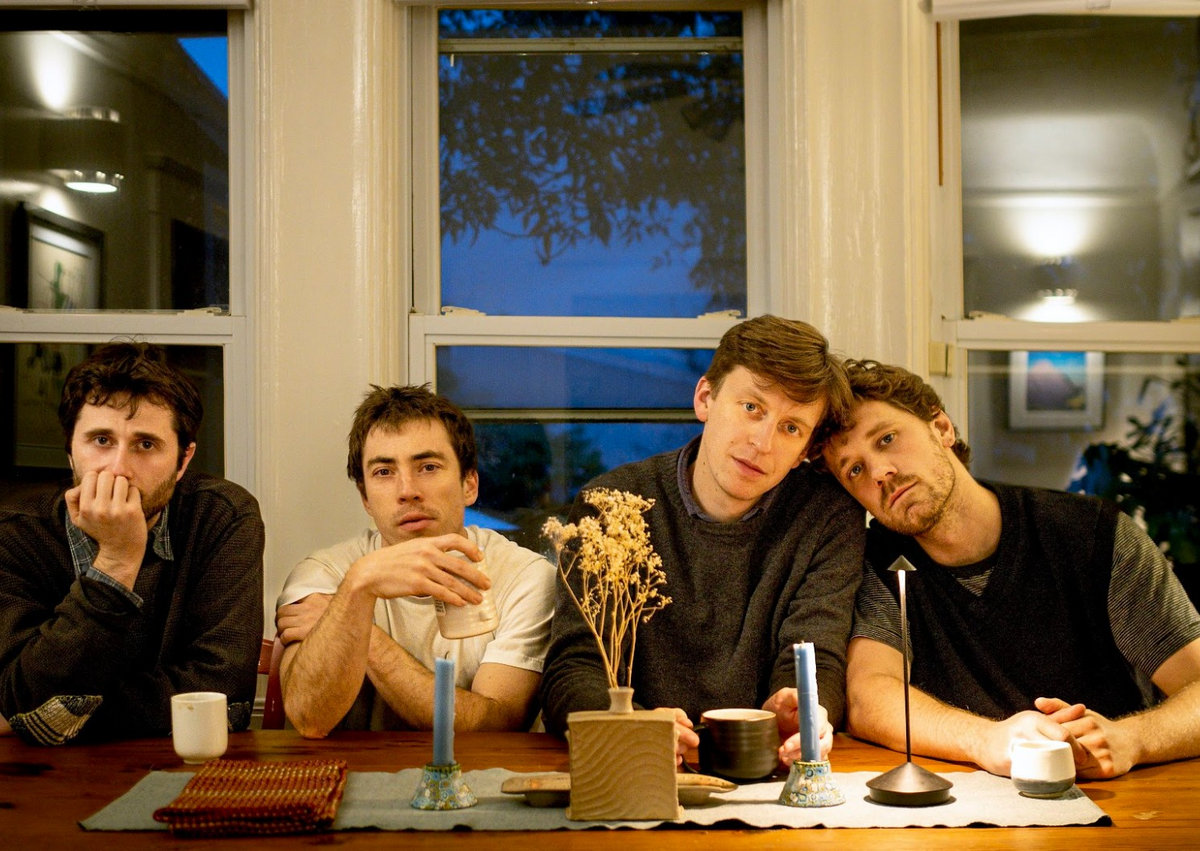
Mildred sound like four people who got very good at playing together before anybody remembered to tell them they were supposed to become a proper band. The Oakland group grew out of friends making music together around a house in Berkeley, and that lack of hierarchy remains central to them: no fixed lead singer, no single songwriter and songs that seem to emerge through conversation rather than arrive fully formed from one person.
That approach became Fenceline, their debut album released in April, a warm, loose and quietly addictive collection built from interlocking guitars, harmonies, country-rock detours and the kind of tiny observational details that slowly reveal themselves after repeated listens. “UPS Brown,” “Fish Sticks,” “Fleet Week” and “Mumblecore Melody” all feel lived-in rather than overworked, while the band’s newest single “Bird Laugh” pushes that same instinct into something slightly more immediate, capturing a song that had already become a favourite during their recent US shows.
The record has begun travelling considerably further than the circumstances that created it. A first US headline tour has been followed by plans for a UK run this November, including two sold-out shows at London’s Ivy House, while Fenceline has quietly accumulated the kind of word-of-mouth that usually starts gathering around records people want to tell somebody else they discovered. Mildred are not reinventing the guitar band so much as reminding you how satisfying one can be when everybody inside it is actually listening to one another.
PINKSHIFT
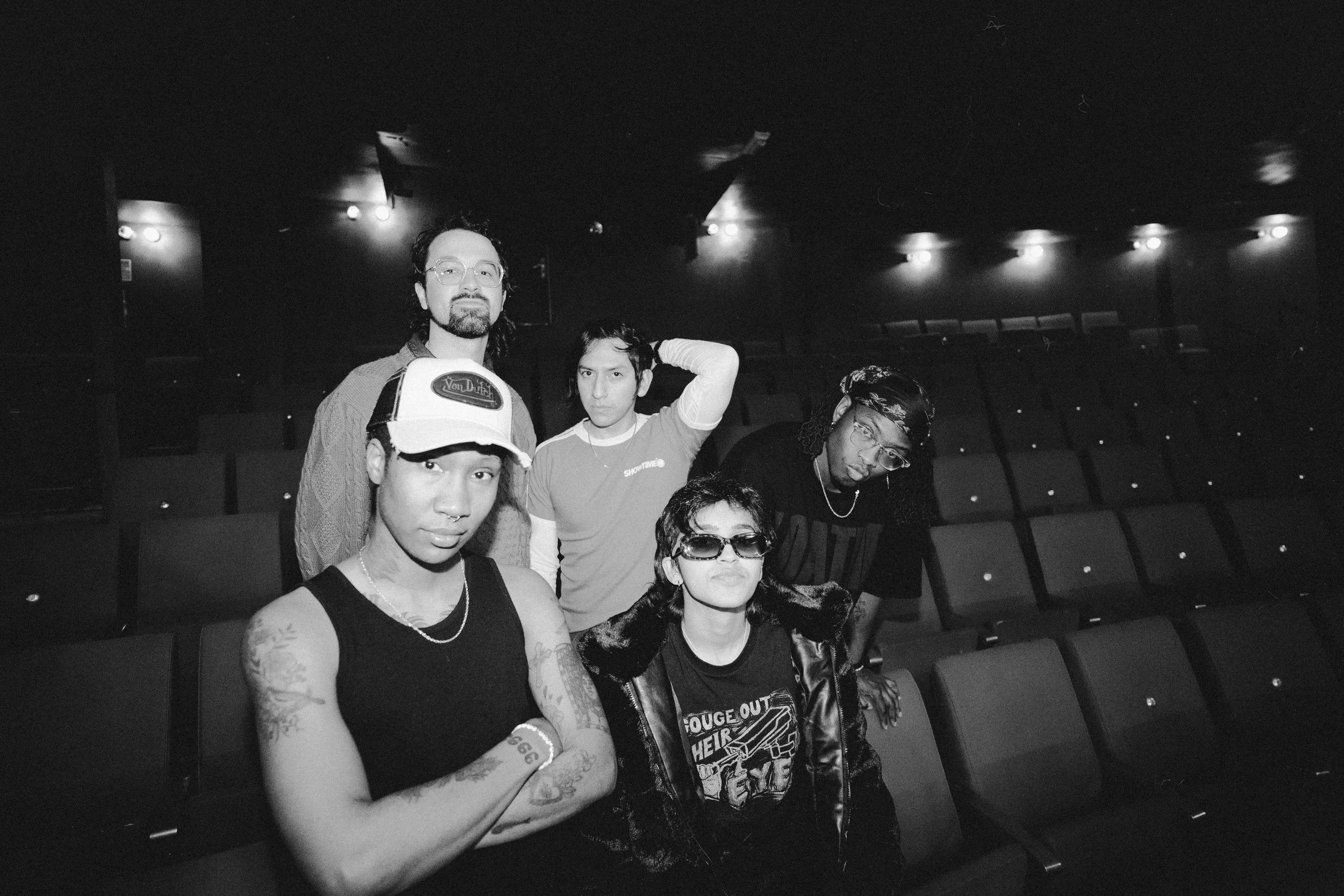
Pinkshift have always understood that melody gets more interesting when there is something trying to tear through it. The Baltimore trio of Ashrita Kumar, Mikey Stabekis and Kirby Bell can move from pop-punk immediacy into grunge, hardcore and considerably heavier territory without making any of those changes feel like genre exercises, building songs that are direct enough to shout along with but restless enough to keep pulling themselves apart.
Last year’s EARTHKEEPER expanded that vocabulary significantly, and Pinkshift have barely slowed down since. December brought “Snow,” May brought “When We Were Friends,” a sharp rush of a song about what happens when friendship gets pushed aside for a new relationship, and August saw the band return to their beginnings with a deluxe fifth-anniversary edition of Saccharine, adding five previously unreleased demos from that period.
What makes Pinkshift worth returning to now is how little interest they appear to have in settling into the version of the band that first got people paying attention. Their early pop-punk foundations are still visible, but the music around them has become heavier, stranger and increasingly difficult to reduce to one scene. At a point when plenty of bands are rediscovering the aesthetics of alternative rock’s past, Pinkshift sound far more interested in seeing how much further they can push their own version of it.