The Dallas Music Office IS Thinking Bigger.
As we’ve been telling people for a while now, there is plenty to be excited about in DFW music. Across Dallas, Fort Worth, Denton and Arlington, we see artists developing, opportunities growing and audiences finding new reasons to show up. The question is how to connect that activity so more artists can build lasting careers here.
– WORDS BY CP • PHOTOS COURTESY OF Kristina Kirkenaer-Hart
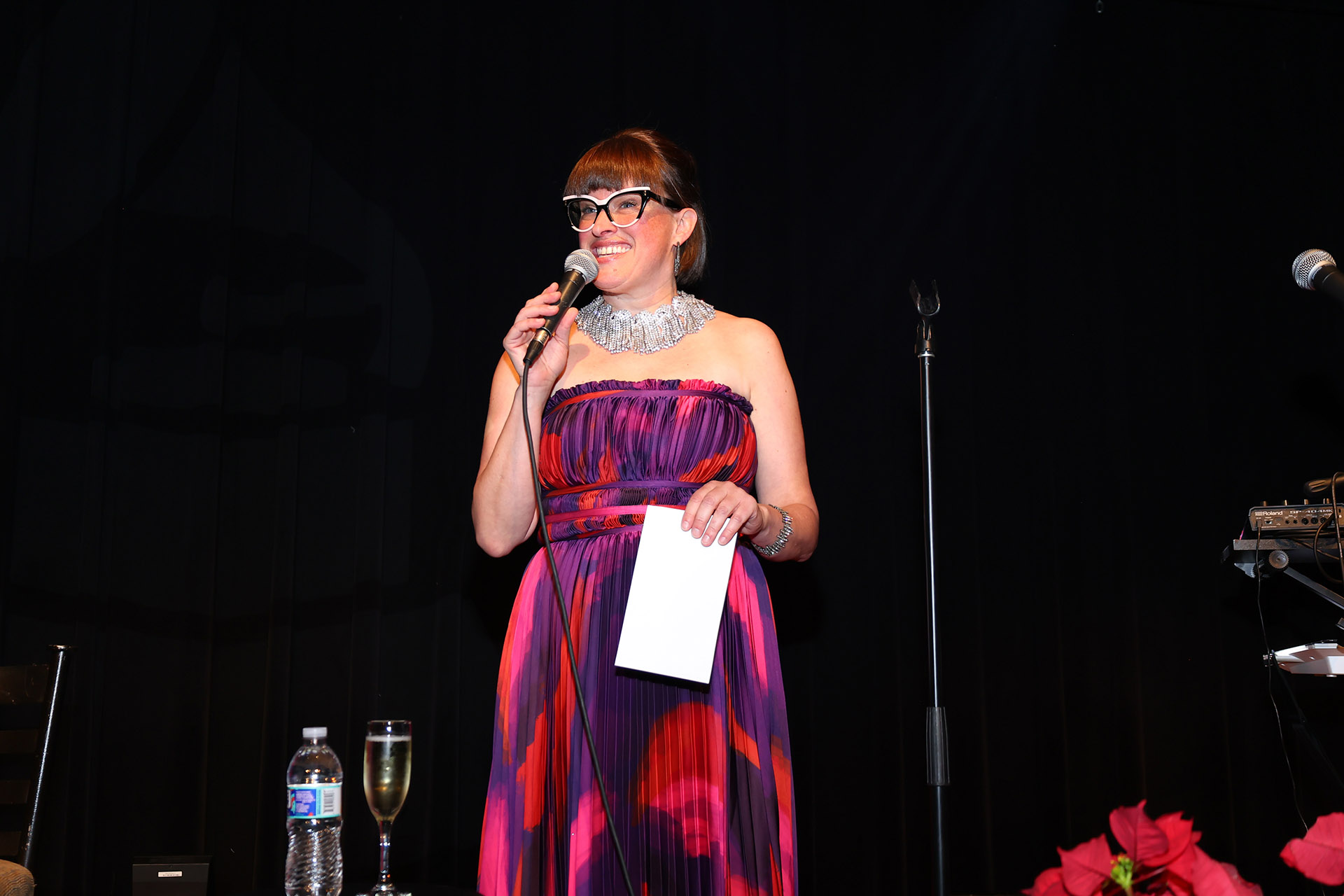
For Kristina Kirkenaer-Hart, director of Cultural Tourism and the Dallas Music Office at Visit Dallas, that is the work. “The biggest lesson is that relationships are the infrastructure,” she says. JAMBALOO has benefited from and been on the connecting end of many of those relationships since our inception – roughly at the same time as the DMO.
The Dallas Music Office launched in June 2024 within Visit Dallas, the convention and visitors bureau. It began by connecting and amplifying a community rich in talent, history and resources. Its focus has expanded to the conditions that help creative careers grow. “The vision has expanded from ‘How do we promote Dallas music?’ to ‘What does Dallas need to be a place where creative people can actually build sustainable lives and careers?’”
Her background informs that vision: professional dance in New York, followed by a career spanning more than 20 years across arts education, entrepreneurship and administration. She ran a dance school and youth company, helped build an arts entrepreneurship conservatory and taught artists about the business side of their careers. Her education includes a BFA in Dance from NYU Tisch, a master’s in Arts Administration and an MBA from SMU. Her artistic experience and business training inform her focus on building audiences, finding opportunities and sustaining creative careers. “I also know what it means to be a working artist,” she says. “I know the difference between being given an opportunity and being given an opportunity that actually helps you build a career.”
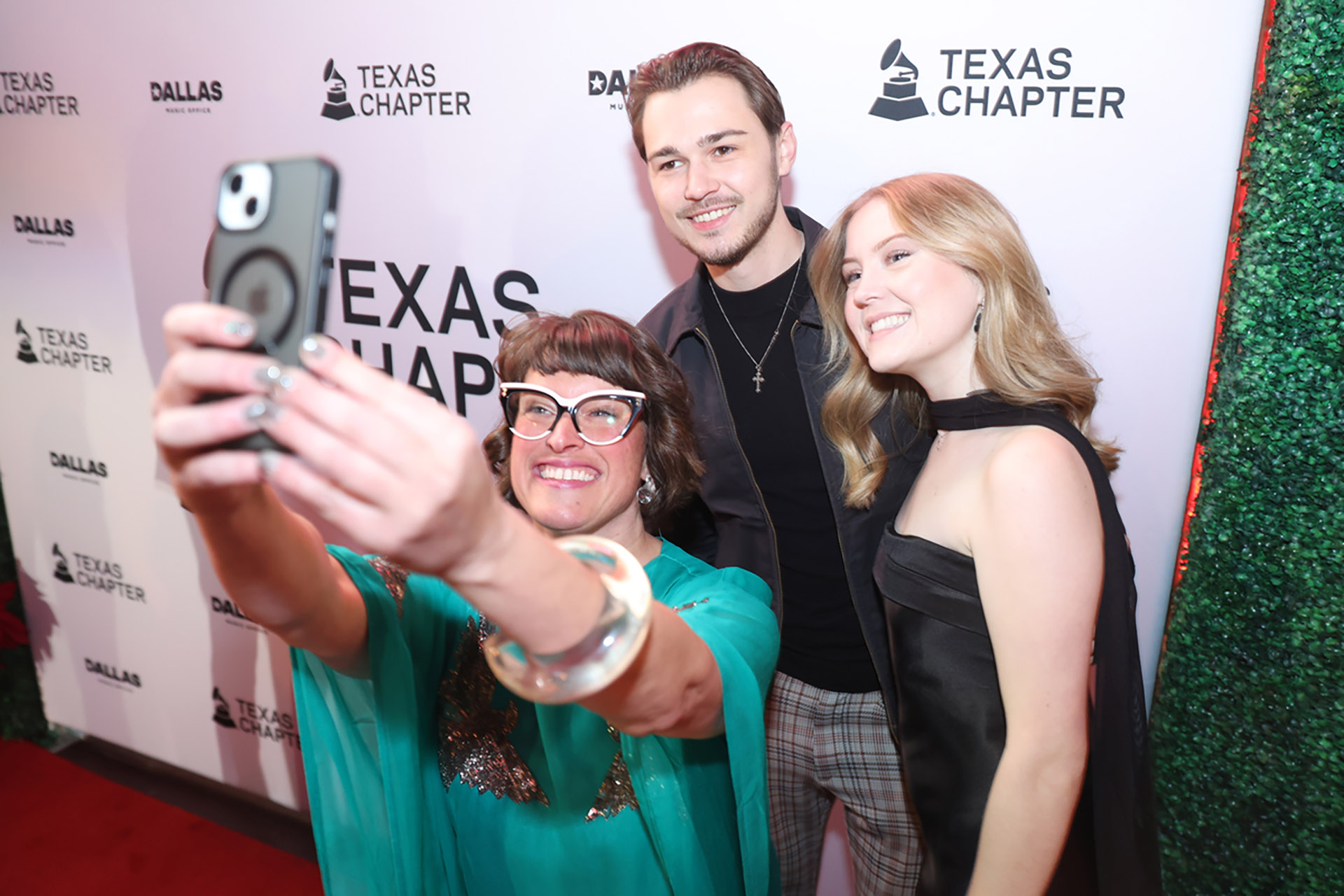
At Visit Dallas, her Cultural Tourism work connects artists, neighborhoods, festivals, cultural organizations and hospitality partners. The Music Office grew naturally from that experience. Dallas has the pieces; it needs stronger connections between them. “We started intentionally small. We listened. We built relationships. We looked for places where we could add value rather than duplicate something somebody else was already doing.”
Dallas Sounds Amplified puts that approach into practice. The busking program began as a fall 2024 pilot, bringing Dallas music into public spaces and creating opportunities for working musicians. “I wanted somebody walking through downtown Dallas to encounter a Dallas musician and have that become part of their experience of the city,” Kirkenaer-Hart says.
The program evolved into professional development. Musicians audition for a yearlong cohort. They must perform independently, manage their sound and equipment, prepare enough material for an extended performance and learn to engage an audience. “The public sees busking. We see artist development in real time.”
Those performances build skills and relationships. The Music Office connects participants with paid performances, venues, radio opportunities, professional development and partners including KXT, DART, Downtown Dallas Inc., JAMBALOO and Hear Fort Worth. Kirkenaer-Hart says every artist in the first full cohort received multiple paid gigs, with some also gaining awards or industry opportunities through increased visibility. After their year, artists enter the office’s public Directory for Hire.
“The goal is not to create lifelong buskers,” she says. “Busking is the front door.” A public performance can lead to established venues, festivals, residencies, opening slots and industry relationships. The direction depends on the artist. “We want artists moving through the ecosystem, not becoming permanently dependent on one program.”
The vision extends to musicians already writing, recording, releasing music and drawing local audiences. They may have outgrown emerging artist opportunities without the support for a national career. “The middle can be the hardest place because those artists may be too established for an emerging artist program, but they don’t yet have the infrastructure of a national career,” she says. “And I think this is where cities either retain talent or lose it.”
Their needs might include management, booking relationships, touring strategy, marketing, legal knowledge, financial literacy, healthcare or access to markets outside Dallas.
Kirkenaer-Hart sees an opportunity to strengthen that support through existing expertise. “If somebody else is excellent at management or touring or publishing, I don’t want to recreate their expertise inside the Music Office. I want to connect Dallas artists to them.”
Sustaining careers also means addressing needs beyond music. Creatives Care Dallas (creativescaredallas.com), a partnership with Arete Health Shield, gives Dallas County creative workers access to virtual primary care, urgent telemedicine, behavioral health services and prescription benefits through a healthcare membership. Arete manages the care and enrollment; the Music Office helps connect the creative community to it. The Dallas initiative was the first pilot of the Stagecare model (healthcareforcreatives.com), which now offers healthcare access nationally for music and entertainment professionals. A local partnership now has a reach beyond Dallas.
“Healthcare might not immediately sound like the work of a Music Office, but if we’re serious about retaining creative talent, we have to think about what allows creative people to stay,” Kirkenaer-Hart says.
For touring artists developing national careers, the role shifts to amplifying their achievements, connecting them with opportunities and strengthening the relationship between their success and Dallas. She wants them supporting the community through mentorship, workshops, opening slots and introductions. “Ideally, there is a cycle: Dallas invests in artists, those artists succeed, they carry Dallas with them and then some of that opportunity comes back into the community.”
That attention extends to people and businesses around artists. Venues, promoters, managers, studios, educators, media, engineers and publicists all help make a career possible. Their success contributes to a stronger music economy, as do the restaurants, hotels and neighborhoods that benefit from live music and visitors. “One thing I really want people to understand is that music is an industry.” For an organization within Visit Dallas, those connections between music, tourism and economic activity are central. Kirkenaer-Hart sees music as part of how people experience Dallas and a reason they might choose to visit.
The opportunities also extend across North Texas. Dallas and Fort Worth’s music organizations are both part of the region’s momentum, and she points to a strong relationship with Hear Fort Worth as a foundation for more collaboration. “Someone can live in Dallas, rehearse in Arlington, record in Denton, play Fort Worth on Friday and Dallas on Saturday.”
She sees possibilities in shared professional development, regional performance pathways, information sharing and a stronger collective account of North Texas music. The region’s size and separate priorities make coordination difficult, but each community can retain its identity while working with its neighbors. “Dallas doesn’t become smaller by collaborating with Fort Worth or Denton. We all become stronger.”
The office has two people and a very small budget. Its capacity has limits, and partnerships are essential. “We cannot be everything to every artist, and I don’t think we should be. I don’t want to create programs just so the Dallas Music Office can put its name on something. If someone else is already doing something really well, I would rather amplify them, partner with them or help connect people to them.”
Her longer view includes clearer career pathways, thriving venues, more managers, agents, producers and music businesses choosing to build careers here, and Dallas artists appearing on national and international stages while remaining connected to home. She wants people visiting Dallas because of music, its history visible and celebrated, and recognition as a music city growing from the work itself. “Artists can see a pathway to building a sustainable career in Dallas,” she says of that future. “We’re retaining more of our talent instead of watching artists feel that they have to leave in order to reach the next level.”
That vision leaves room for artists to go everywhere while keeping their foundation here. It also calls for an ecosystem that can generate opportunities through its own relationships, expertise and businesses. “For me, success isn’t one program or one big event,” she says. “It’s an ecosystem strong enough to keep creating opportunity without everything having to run through the Dallas Music Office.”
That ambition advances through everyday work: a paid performance, an introduction, a new partner or an artist finding support at the right moment. “I don’t want the Dallas Music Office to become the center of the Dallas music ecosystem,” she says. “I want the ecosystem itself to become stronger.” So far, so good.