Mamalarky Have Until the Ice Cream Truck Comes Around.
With “Sad Songs” and their forthcoming album, Hover, Mamalarky are following their instincts a little further, making room for unfinished ideas, unexpected arrangements and the occasional spectacularly miserable afternoon.
– WORDS BY CJ • PHOTOS BY MIKE PHAM
The ice cream truck is a problem for Mamalarky. So are the LAPD helicopters. Making an album at home in Los Angeles might have afforded the band some luxuries when it came to recording Hex Key, but there were still things beyond their control, particularly when an idea was coming together and everybody wanted to get it down before something interrupted them. Michael reckons some of their best work happened in those brief windows of opportunity.
“I think our favorite songs always come together the fastest, under the time constraint of chasing the idea while it’s still in the air, before the ice cream truck and the LAPD helicopters interrupt it,” he says. “All the singles from Hex Key wrote themselves in between those moments.”
Listen to Mamalarky for any length of time and you’ll appreciate the slight absurdity of that last sentence. Their songs can sound like the result of weeks spent moving individual pieces of music around, with particular attention paid to how one section might suddenly open up into another. There are guitar parts that seem to have their own agenda, basslines that are worth listening to independently of everything else going on, and passages where the drums do as much to establish the personality of a song as the vocal melody. The four members of Mamalarky have a lot of musical information at their disposal, which makes their ability to produce something immediately enjoyable considerably more interesting than their ability to play complicated music.
The temptation, when everybody in a band is capable of coming up with something good, must be to find room for all of it. Livvy has a useful analogy for knowing when a song has enough going on.
“Usually we have a sense when something has just the right amount of stuffing,” she says. “It’s like Build A Bear workshop, just looking to fill the form and add a little heart.”
Their new single, “Sad Songs,” started with relatively little stuffing. Livvy and Dylan recorded a loose demo straight to tape months before the sessions for their forthcoming album, Hover, and then more or less forgot about it. By the time Livvy returned to the recording, she was having what she describes as a “particularly doomy day.” She got in her car and wrote the words and melody, finding herself in the unfortunate position of understanding a whole category of music slightly better than she had previously.
“I ended up writing about when your love is a long ways away and it feels like you have no option but to overthink and despair,” she says. “Suddenly every sad song gains an extra layer of depth you couldn’t access before.”
The territory Mamalarky occupy on “Sad Songs” will be familiar to anybody who gravitated toward “Won’t Give Up” or “Nothing Lasts Forever” on Hex Key. Both of those songs had a directness that sat comfortably alongside the album’s more elaborate arrangements. What’s interesting about the new single is how much of its character was established before Livvy had written anything to sing over it. Dylan and Livvy had made a recording that could sit around for months, waiting for the right words to come along. Once they did, the song became an early reference for Hover. Livvy says there’s considerably more raw, spontaneous and emotional music to come on the album.
Working repeatedly with singers has taught the band how different a productive session can look depending on who is in the room. Celeste might step up to a microphone and immediately find a song. “Anything will just come out, and often that is like the song,” Crocker says. Pip Millett works with a notebook until she has developed her lyrics, then gets on the microphone to reveal them. Rosie Lowe prefers taking sketches away and working privately, concentrating on the minute details of her vocals in her own time. “Learning how they all have different methods to get there is definitely useful,” Crocker says. “Sometimes you might get in with someone and kind of force an approach on them that they may feel really uncomfortable with.” Usually one of the musicians already knows the singer before a session, and returning to familiar collaborators means everybody understands more about how the others work.
Henry remembers the pressure that accompanies a studio session, when everybody feels they ought to have something finished before leaving. “It’s nice to realize it doesn’t always have to work that way,” he says. Crocker is similarly wary of judging an idea too early, before anybody knows what it might become. “It’s judgment as well, isn’t it? Like trying to hold back judging something before it’s fully formed.” The trio have learned to resist placing a song into a familiar category the moment it begins to emerge. Henry thinks they have become better at this because they no longer worry about running out of ideas. “There’s no feeling of preciousness about what it needs to be,” he says. “It’s just allowing it to be what it is.”
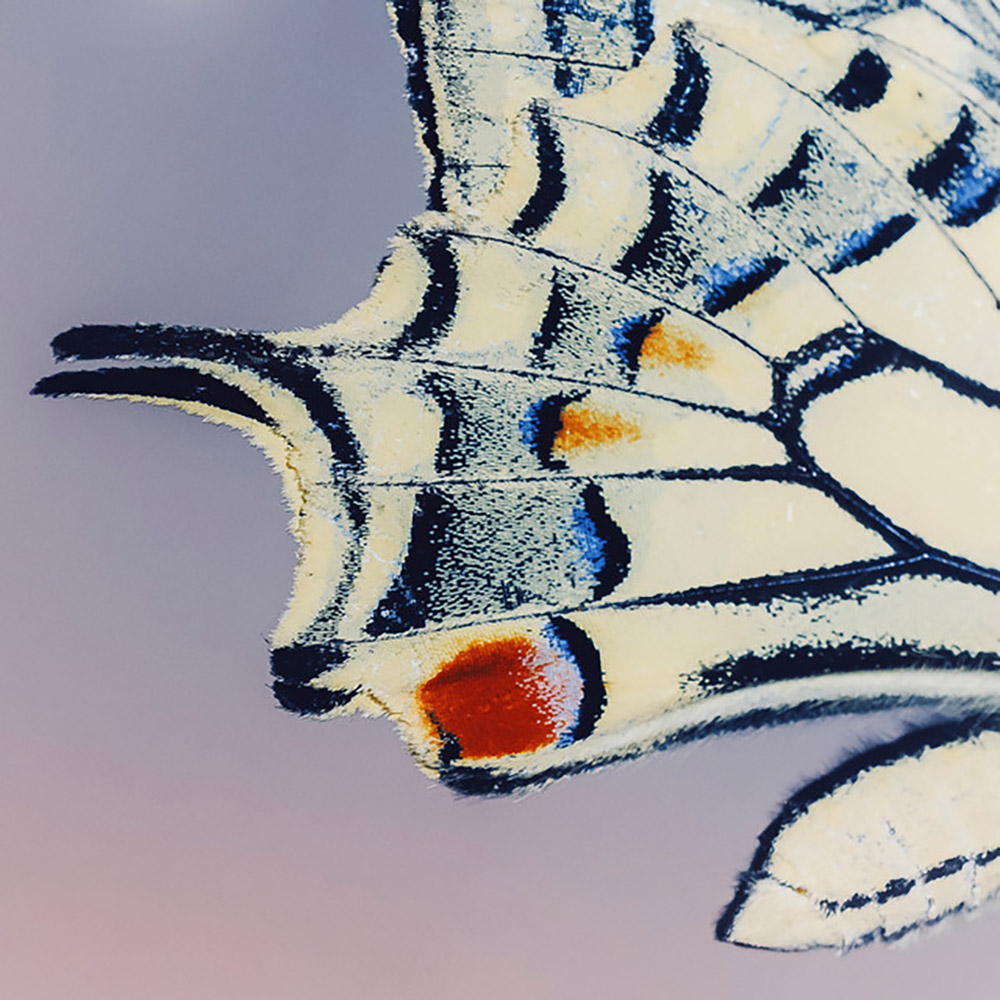
Sad Songs released 11/4/2026
Some of the more unusual structural decisions in Mamalarky’s songs originate in a fairly ordinary situation: four musicians working something out together in a room. Dylan describes how he and Livvy might be developing an idea on drums and guitar while everybody listens for a possible change in direction.
Someone might hear a different chord progression, a change in feel or a melody that takes the song somewhere they hadn’t initially considered. Michael is particularly good at identifying those opportunities, although an important part of their process is allowing everybody to follow through on an idea before deciding whether it belongs.
“Even if an idea doesn’t always end up in the final song, we always want to give those ideas a chance to turn into something really unique and cool,” Dylan says.
It’s worth listening to Hex Key with that approach in mind. Some of its pleasures are in the relatively small decisions the band makes along the way, the extra chord that alters the mood of a passage or the moment when an instrumental part starts pulling your attention away from the voice.
Plenty of bands can write their way out of a verse and into a chorus. Mamalarky are also interested in what might happen if you spend a bit longer getting there, or if the route you take the second time around is slightly different.
Michael and Livvy have had an opportunity to find out just how accustomed they’ve become to working this way through their production work with other artists. What seems like a perfectly natural piece of music to bring into a Mamalarky session can be a fairly daunting starting point for somebody with a different approach to writing. Their tendency to compose longer instrumental sections, Michael says, isn’t necessarily something every songwriter knows what to do with. Sometimes the material ends up coming back to them. “Nothing Lasts Forever” was originally intended for a pop artist before they discovered the song they wanted to make with it.
Livvy has enjoyed getting to know the habits other musicians bring into a session. Even something as basic as the order in which somebody likes to work can tell you a great deal about how they hear music, and there are countless little rituals that become ingrained in the way an artist writes.
“It’s such a deeply intimate place to be, in a room where a song is just meeting the world,” she says. “I take it as a huge privilege to be there and learn in tandem with other artists.”
The band have begun performing in America and are preparing for their biggest headline show yet. Those developments have changed how Henry thinks about their future. “I would say there’s a renewed sense of ambition,” he admits. “I feel more enthusiastic about pushing it and taking it seriously in terms of a business.” Gotts Street Park has long existed alongside his production work and music for advertising, which he assumed would remain the more reliable source of income. He is realistic about the money the band currently makes, but touring, releasing another album and seeing an audience grow have raised his expectations. “Probably the most hopeful I’ve felt about it doing well,” he says, while acknowledging the difficult balance between wanting a band to succeed and depending on that success for personal validation.
Crocker mentions a video comparing releasing music in 2026 to pouring a cup of water into the ocean. With so much arriving every day, he wonders whether more listeners might return to spending time with an album from beginning to end. “I feel like there’s some value in just making a good album that flows properly as an album for people that like to buy vinyl,” he says. He is skeptical of the industry’s obsession with viral success, too. “It doesn’t give you fans, it doesn’t sell merch,” he says of attention that never becomes a lasting relationship with an audience. Gotts Street Park have spent years building those relationships through records people recommend to one another. On November 25, they will take Somewhere Between to the Roundhouse in Camden, with the more energetic instrumentals written partly to give them room to stretch out onstage.
Finding a room in which all four members of Mamalarky can make music together has involved a few different cities over the years. Austin, Atlanta and Los Angeles have each been home to the band at different stages, and some of their relationships now have to operate over considerable distances. Noor still thinks of all three cities as hometowns, although she considers Los Angeles their musical home for a fairly practical reason.
“Not because of the city itself but because that’s where we’re creating the most,” she says. “It still feels like all three cities are our hometowns but it’s rare that we’re working on music anywhere else.”
The peculiar experience of making music you feel good about at a time when other aspects of your life might be going considerably less well is something Livvy has given a lot of thought to. She admits to being slightly addicted to the middle of a journey, the bit where there’s no end in sight and nobody’s waiting to congratulate you. It’s a period most of us would probably prefer to get through as quickly as possible. Livvy has found she can write quite well there.
“Songwriting is the best method I’ve found to cope with those grey areas and unanswered questions,” she says. “I think confidence, in life and music, comes when you keep showing up to uncertain conditions and see how deeply yourself you can be through them.”
Making Hover appears to have been a somewhat different experience from making Hex Key. Livvy describes the arrival of the new music as feeling like an offering, compared with the experience of “slaying dragons to get to the songs” on the previous album. She and Michael are still prone to obsessing over the records they make, and she makes no suggestion that Hover involved significantly less of that. They did, however, make a conscious effort to approach the work with a greater sense of possibility. Livvy describes it as wanting to feel more like they were in the forest than in the cave.
The desire to continue developing as musicians without becoming too preoccupied with the conventional measures of a band’s progress is something Mamalarky have already addressed in their music. “#1 Best of All Time,” from Hex Key, plays around with the idea of deciding for yourself what constitutes winning, and Livvy’s own criteria have evolved through years of making records and meeting the people who listen to them. She talks about the band measuring itself against its own work, looking for growth in what she calls “windy nonlinear ways.”
As for the other things that might indicate Mamalarky are doing rather well, Livvy has a couple of favorites.
“Success is when someone brings you flowers they harvested from their home garden to the merch table or when someone says they started writing songs because of your weird moderately successful indie rock records,” she says. “Those little one-on-one things with people are the pinnacle of Making It to me.”