POKEY LAFARGE IS FINDING NEW POSSIBILITIES IN OLD AMERICAN MUSIC / TULIPS / 5.4.27
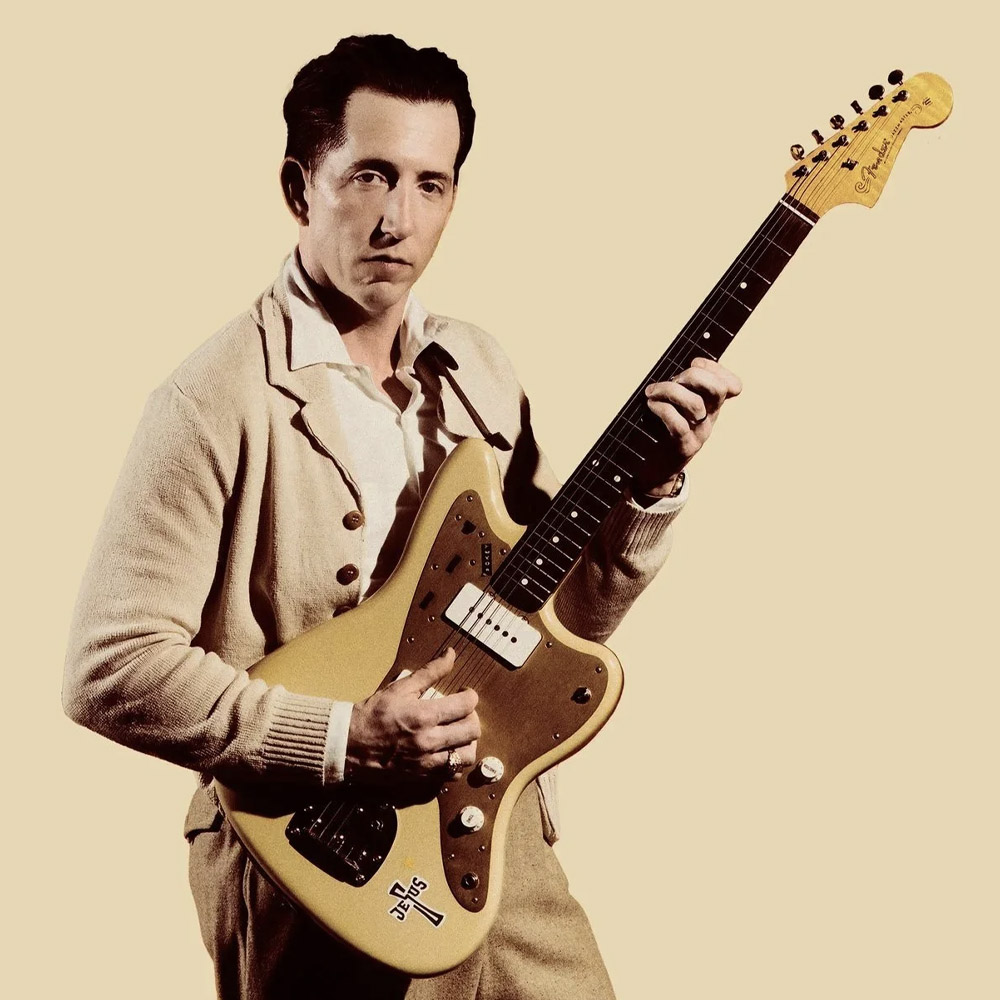
With his new album Rent Money, Pokey LaFarge strips his wonderfully unpredictable blend of blues, jazz, country and early rock ’n’ roll back to its essentials. The American songwriter brings his unmistakable musical imagination to Tulips in Fort Worth.
– JAMBALOO EDITORIAL TEAM
It’s easy to mistake the first few seconds of a Pokey LaFarge song for a transmission from somewhere in the past. The deeper you listen, the less useful that idea becomes. His music might borrow the rhythms of pre-war jazz, the swing of early rock ’n’ roll or the melodic instincts of classic country, but the arrangements have a personality that belongs entirely to him.
LaFarge has spent his career treating American musical history as an enormous collection of possibilities. Ragtime, blues, Western swing, gospel and Caribbean rhythms have all found their way into his recordings, often sitting alongside one another with the comfortable familiarity of musicians who have stopped worrying about where one tradition ends and another begins.
His 2024 album Rhumba Country pushed that curiosity toward sun-soaked rhythms and an unusually playful approach to songwriting. The follow-up, Rent Money, released in September 2026 through his own Boxer Boy Records, takes a different direction.
Produced by Elliot Bergman, the eleven-song album finds LaFarge deliberately working with fewer musical ingredients. Voice, guitar, upright bass and drums form the foundation, with additional instrumentation introduced only when the songs require it. The arrangements have an appealing directness, allowing the personality of his writing to take center stage.
There’s plenty happening beneath the music’s easy charm. The title track addresses the pressures of everyday life with the kind of irreverence LaFarge has made his own, while “My Baby Loves Me” draws its emotional weight from the reassurance of family and the things that remain important when everything else becomes uncertain.
That combination of musical exuberance and emotional honesty has always made LaFarge particularly compelling onstage. His performances move freely between styles, often revealing how closely connected these seemingly distant corners of American music really are.
At Tulips, those songs will have the opportunity to unfold in a room where the smallest rhythmic decisions, the movement of a bassline or an unexpected change in a vocal phrase can become part of the experience. For an artist who understands that the past is something to work with rather than preserve behind glass, the possibilities remain wonderfully open.