Dirty Texans and the Problem With Just Sticking a Beat Under Something.
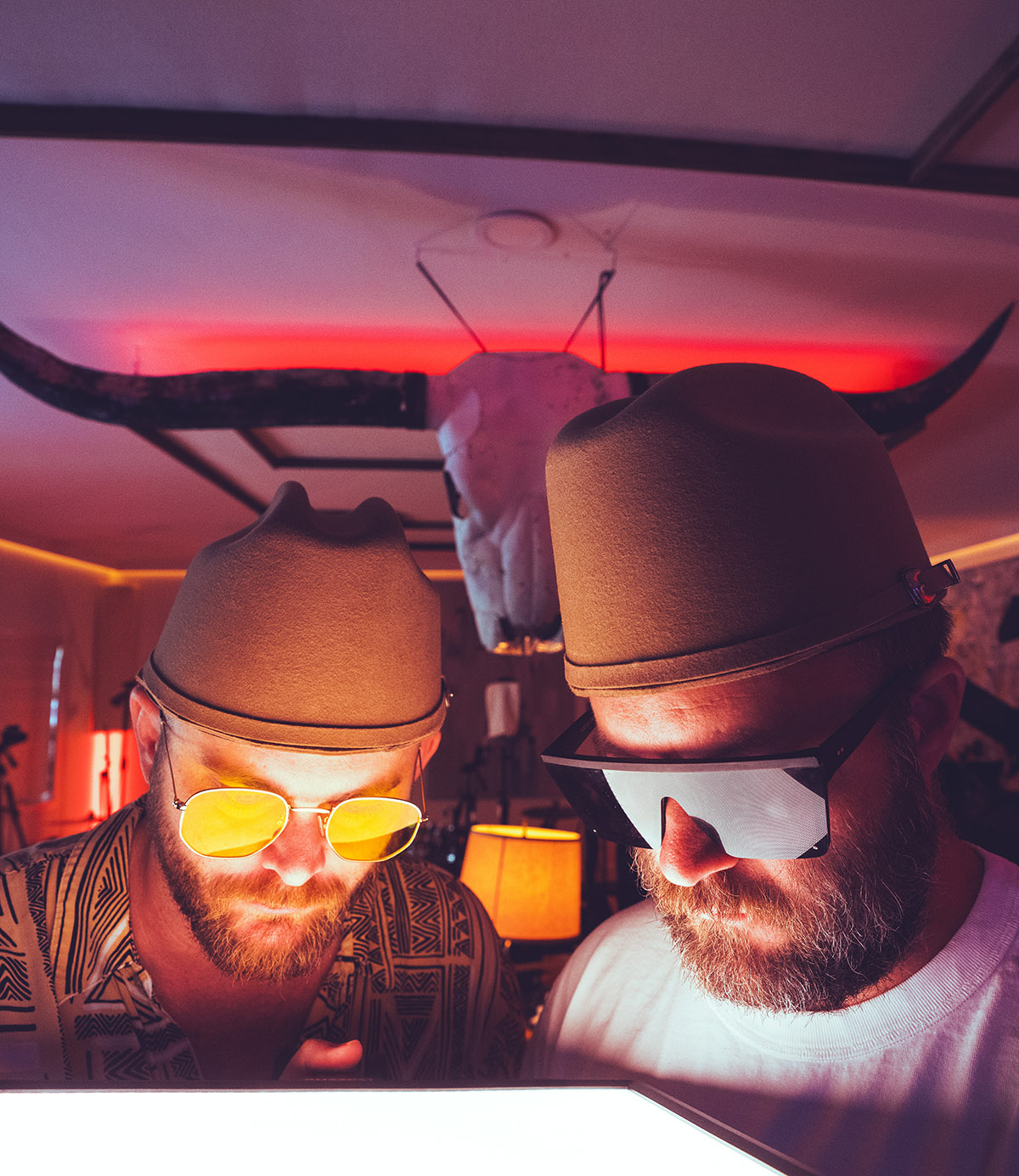
Johnny Kongos and his younger brother Danny had spent most of their adult lives playing together in Kongos, the rock band they formed with their other two brothers. During the pandemic, they found themselves back in the studio, diving into electronic music.
– WORDS BY CJ / PHOTOS COURTESY OF DIRTY TEXANS
Danny started singing a deliberately stupid line about getting your cowboy boots on, aimed somewhere in the direction of Austin’s Bachelorette-party version of Texas, and they put a beat behind it.
What began as a joke started sounding less like one.
“Why don’t we just do this?” Johnny remembers thinking. “Let’s commit fully to an electronic project.” Another brother had already come up with the name Dirty Texans. They stole it.
The project makes more sense once you know where the brothers came from. Johnny was born in London to a South African father and American mother, grew up in South Africa, later lived in Arizona and now considers Texas home. Electronic music was there early. The Prodigy, Faithless and the records moving through Britain and South Africa during the ’90s were formative long before Dirty Texans existed.
That matters because, on paper, Dirty Texans could go wrong very easily.
Their music takes house and techno and runs it alongside bluegrass, old-time music and country. There is a long history of those kinds of combinations becoming novelty records: take something recognizably rural, put a dance beat under it, enjoy the joke for three minutes and move on. Dirty Texans don’t really sound like that. The traditional material isn’t being used as decoration. Neither is the electronic production.
Johnny talks about that distinction a lot.
His father was a musician, songwriter and producer who spent his own career combining sounds, particularly African music with other forms. Growing up in South Africa exposed the brothers to Maskandi and Kwaito, influences that eventually found their way into Kongos without necessarily announcing themselves as such. For Johnny, musical borrowing isn’t unusual. It is basically how music works.
“Music is shared,” he says. “Everyone’s using everything, and thank God for it, because everything sounds better when people mix and match.”
The problem is taste.
Dirty Texans aren’t interested in taking a five-second banjo sample and treating it like a costume. When Johnny finds an old recording he likes, he often wants to preserve almost the entire song. He has been disappearing down listening rabbit holes through artists like Dock Boggs and Roscoe Holcomb, drawn especially to old-time recordings where a voice and banjo might sit on the same modal idea for long stretches. That repetition gives him room to build around the original rather than forcing it into a pre-existing house track.
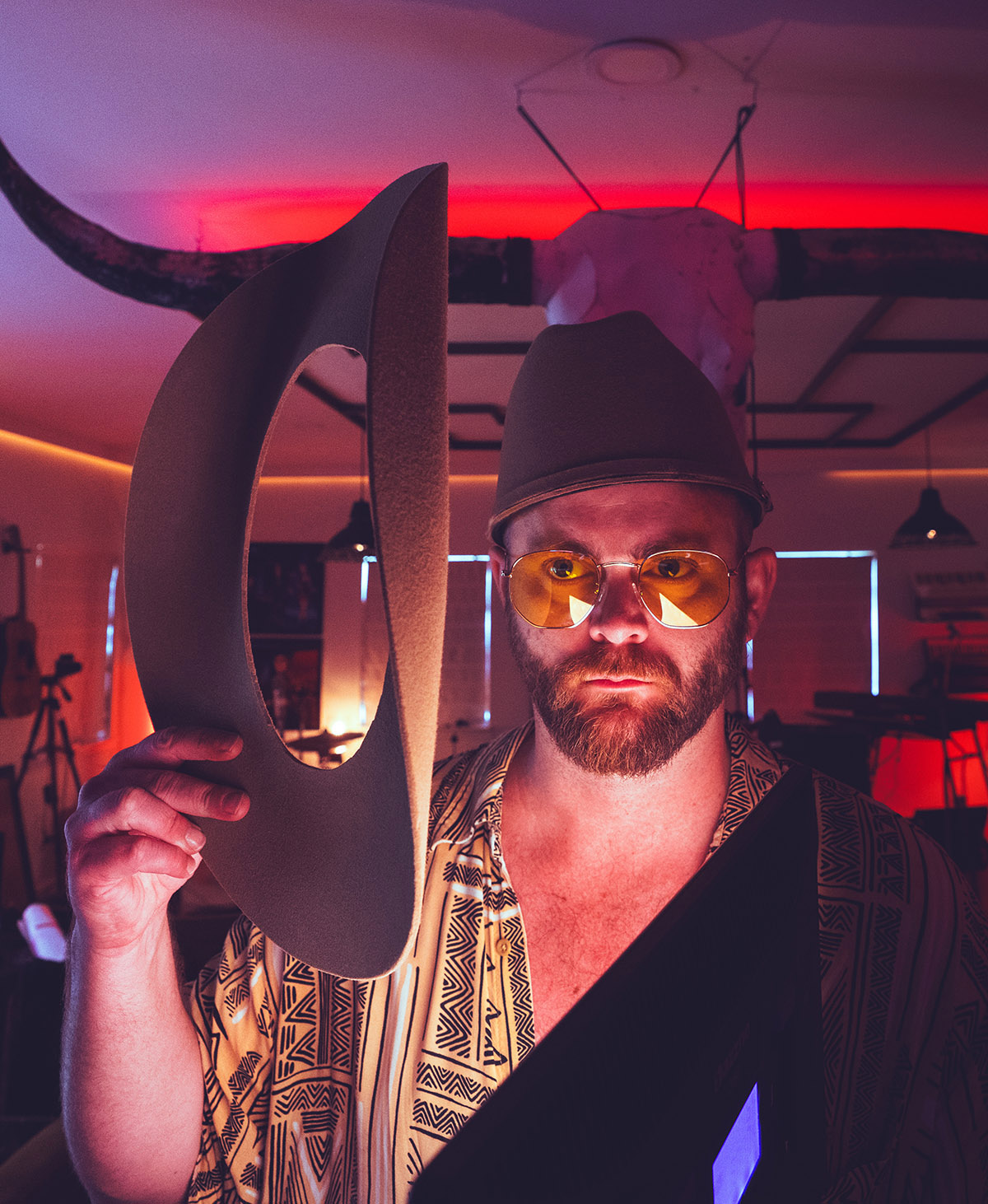
“The song” normally comes first. The electronic production follows.
That approach also puts some distance between Dirty Texans and the current rush to turn country music into whatever the algorithm appears to want this month. The brothers have remixed bigger country songs and enjoyed doing it, but Johnny says they quickly became wary of chasing the next obvious record simply because country was having a commercial moment.
They already know where that road can lead.
Kongos’ “Come With Me Now” became a huge hit in 2014. The song changed their lives, paid bills and ultimately gave them some of the freedom that allows Dirty Texans to exist. But it also taught them how one successful song can swallow everything around it.
Kongos have made seven albums and explored plenty of music that sounds nothing like “Come With Me Now,” yet for a large part of the audience that single became the entire band. They could have spent the following years attempting to remake it. They chose not to.
Dirty Texans have carried the lesson with them.
They have already watched certain remixes begin to move faster than others on TikTok and caught themselves wondering what would happen if one of those songs became the thing people associated with the project. Eventually they came up with a rule.
“Whatever we put out, we actually have to like it and love it, and be happy if it was to blow up.”
Then Johnny laughs at how long it took them to reach the conclusion.
“Literally just do shit that we think is cool.”
Social media has still been important. Dirty Texans look like a project that appeared very quickly because short clips of bluegrass collapsing into house music are extremely good at explaining themselves on a phone screen. From inside it, things have moved much slower. Johnny and Danny worked on the project for close to two years before much of the audience knew it existed and only played their first show about a year ago.
The bigger challenge is turning those clips into something worth watching for an hour.
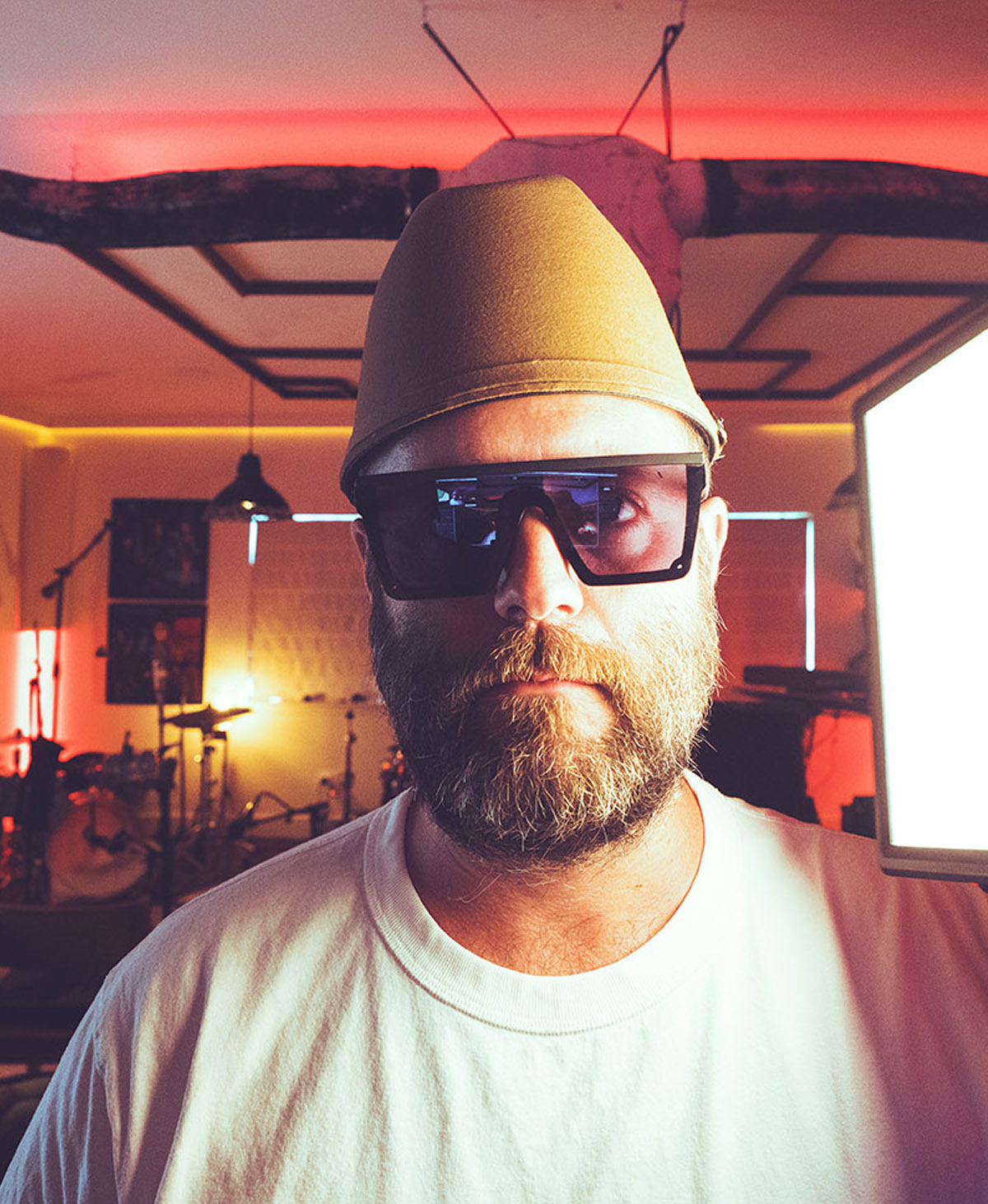
Dirty Texans aren’t really a DJ act, at least not in the conventional sense. The brothers have had to learn how to DJ, but their live setup keeps dragging them back toward being musicians. Their original fantasy was what Johnny calls “the USB life”: arrive with a stick, plug it in and avoid the years of hauling band equipment around.
Then they played their first gig with five flight cases.
The compromise they have found is somewhere between a DJ set and a band. Parts of the show are deliberately locked down so they can stop concentrating on keeping everything alive every second. At other points Johnny can move onto keyboards and improvise over the tracks. It gives them some of the looseness they spent years chasing in a rock band without giving up the precision of house music.
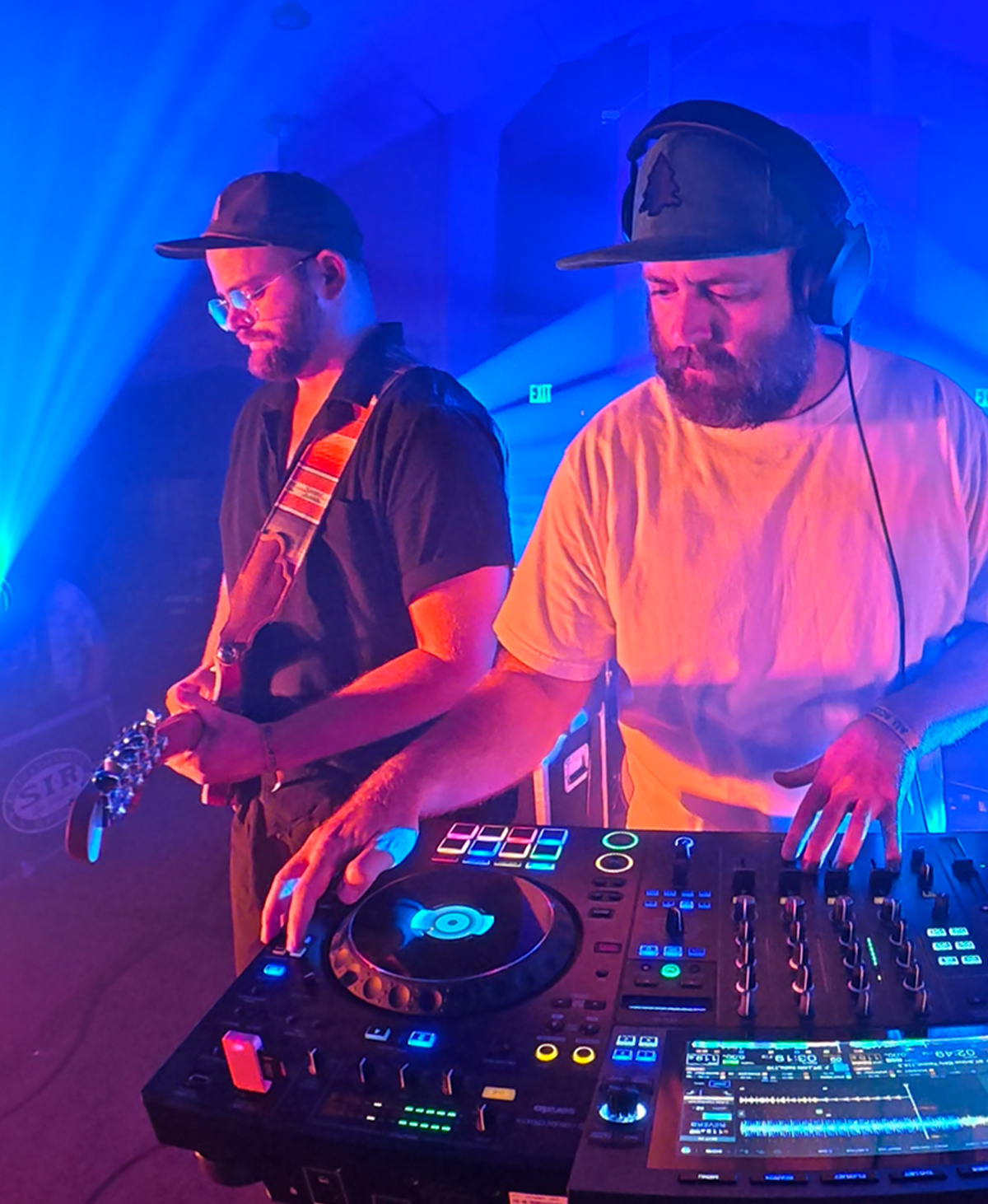
That relationship between rigid and human music has started affecting Kongos too. Now that Dirty Texans gives Johnny and Danny somewhere to make music tied completely to the clock, they have pushed the band in the opposite direction.
“Let’s just fucking burn the computers and get back to being a band,” Johnny says.
He talks about something as small as the breath before a chorus, the tiny moment a group of musicians might naturally stretch that a click track removes. Sometimes that fraction of a second is the difference between a chorus landing and a band spending months wondering why it doesn’t.
Dirty Texans are now moving beyond remixes. Their first short album, I Mess With Texas, is built around their relationship with the state: moving here, finding honky-tonks, Texas country and two-stepping, then filtering those experiences through electronic music. Johnny describes it as almost a concept album, though “not fully Pink Floyd.” Danny handles much of the lyric writing, while both brothers produce and build the music together.
After that comes a covers record. Clearing the original samples used in some Dirty Texans remixes would be difficult or impossible, so they plan to re-record the material, bringing Austin bluegrass and old-time musicians into the process. They have already started building those relationships through Root Pile, a bluegrass camp they are joining at Burning Man this year.
Beyond that, Johnny is thinking much wider.
He talks about Dirty Texans almost as a vehicle that could travel around the world interfering with different traditional musics. His own background gives him plenty of places to start. He wants to dig into old Greek island folk music. Irish traditional music comes up. So does South African music and the way outside influences can either produce something new or flatten a local culture until everything begins sounding American.
The line between those two outcomes is difficult to define, but Johnny keeps returning to the same idea: the source has to mean something to the person touching it.
Neither brother claims to be a master of Appalachian music. Johnny is equally happy to admit they aren’t electronic producers operating somewhere out on the edge with Aphex Twin or Squarepusher. What they do have, he thinks, is enough understanding of both sides to recognize when the combination works.
“Maybe it’s taste,” he says. “The sum is greater than the parts.”
For now, that is probably the clearest explanation of Dirty Texans. They are not trying to disguise bluegrass as house music or make electronic music look good in cowboy boots. They are trying to find the point where neither side feels pasted onto the other, then see how far that idea can travel.