You Don’t Need More Followers. You Need a Reason to Matter.
Spend enough time at music networking events and you start to notice that most of the questions are really the same question wearing different clothes.
– WORDS BY CONOR DARDIS
I recently spoke at a music networking event, one of those nights where various music people who have agreed to sit under fluorescent lighting talk about how any of this is supposed to work. I enjoyed it, and there were plenty of good questions, but afterwards I kept thinking about how many of them were really versions of the same one.
How do we get on better shows? How do we find an agent? How do we get more Spotify listeners? Festival slots? A manager? Should we be spending money on Instagram, and is TikTok still worth the effort? Nobody particularly wants to stand up in a room and ask, “How do I become more successful?” so we break it into smaller, more respectable questions instead. What most bands and artists actually want to know is how to get bigger, and I’m increasingly convinced that’s the wrong question.
There’s nothing wrong with wanting to grow.
If you’ve spent years rehearsing, writing, recording, loading equipment into questionable vans and playing to seventeen people on a Tuesday night, you’d eventually like there to be more than seventeen people. The problem is that “How do we get bigger?” encourages you to look for an external solution to what may be an internal problem. It assumes the audience already exists and simply hasn’t been connected to you yet.
That’s one of the more comforting ideas in music. Somewhere out there are thousands of people who would absolutely love your band if only Spotify, Instagram, the local promoter, the music press, a booking agent, a label or some mysterious gatekeeper would place you in front of them. Sometimes that’s true. Plenty of great artists go unnoticed for too long. But there’s another possibility nobody enjoys discussing at networking events: maybe people have heard you already and thought you were fine.
Fine is brutal.
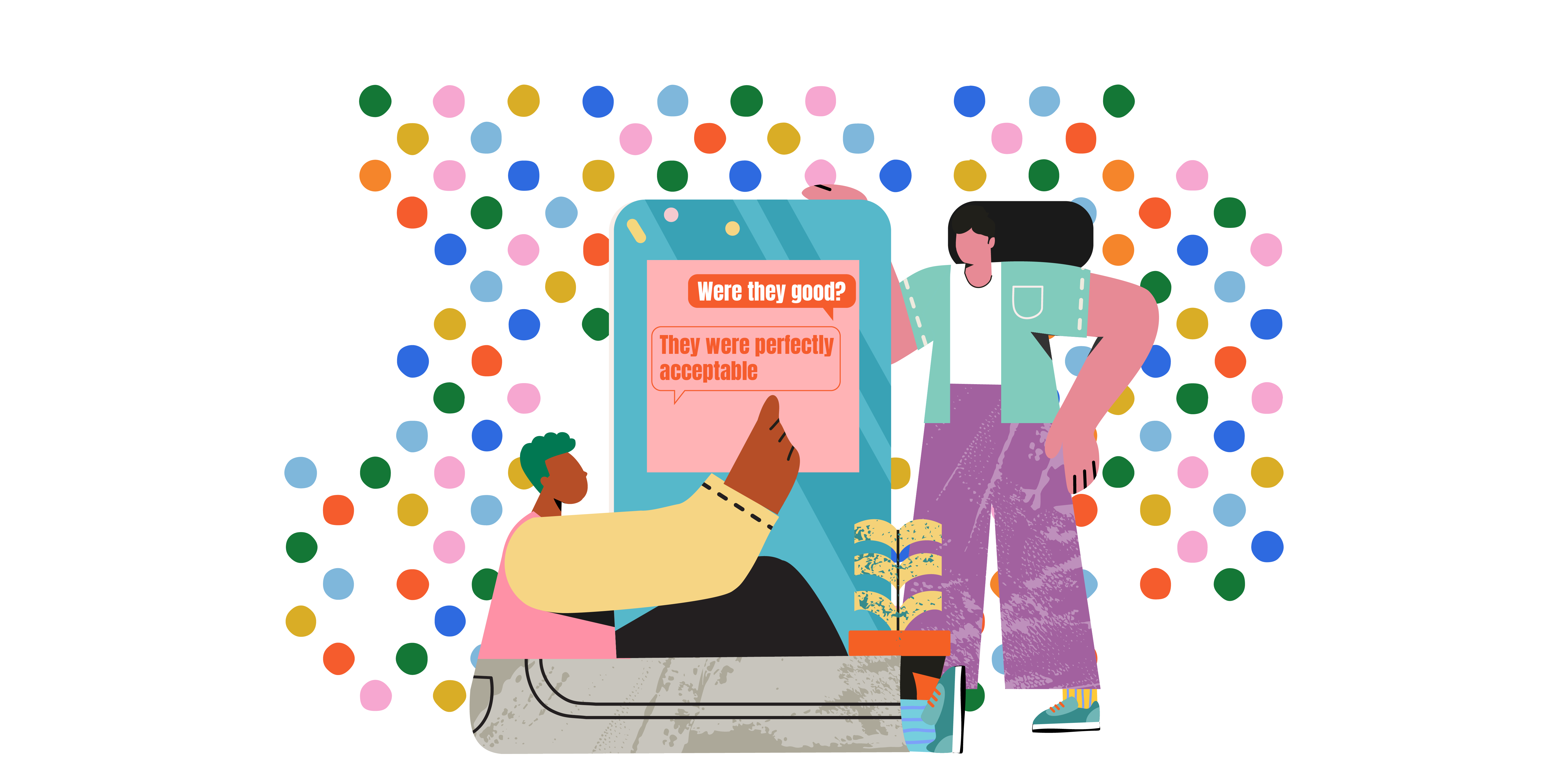
Being terrible can at least become fascinating, and people will travel considerable distances to witness something genuinely disastrous. Fine produces almost no useful emotional response whatsoever. Nobody texts a friend at midnight to say, “You need to hear this band. They were perfectly acceptable.”
This is where conversations about growth become detached from the actual music. We talk about reach, discovery, algorithms, posting schedules, branding and playlist strategy because those things can be explained. They fit on a slide. Somebody can stand onstage with a microphone and give you five things to improve before lunch. “Become more interesting” is a considerably less satisfying panel topic, even if it might be the more useful one.
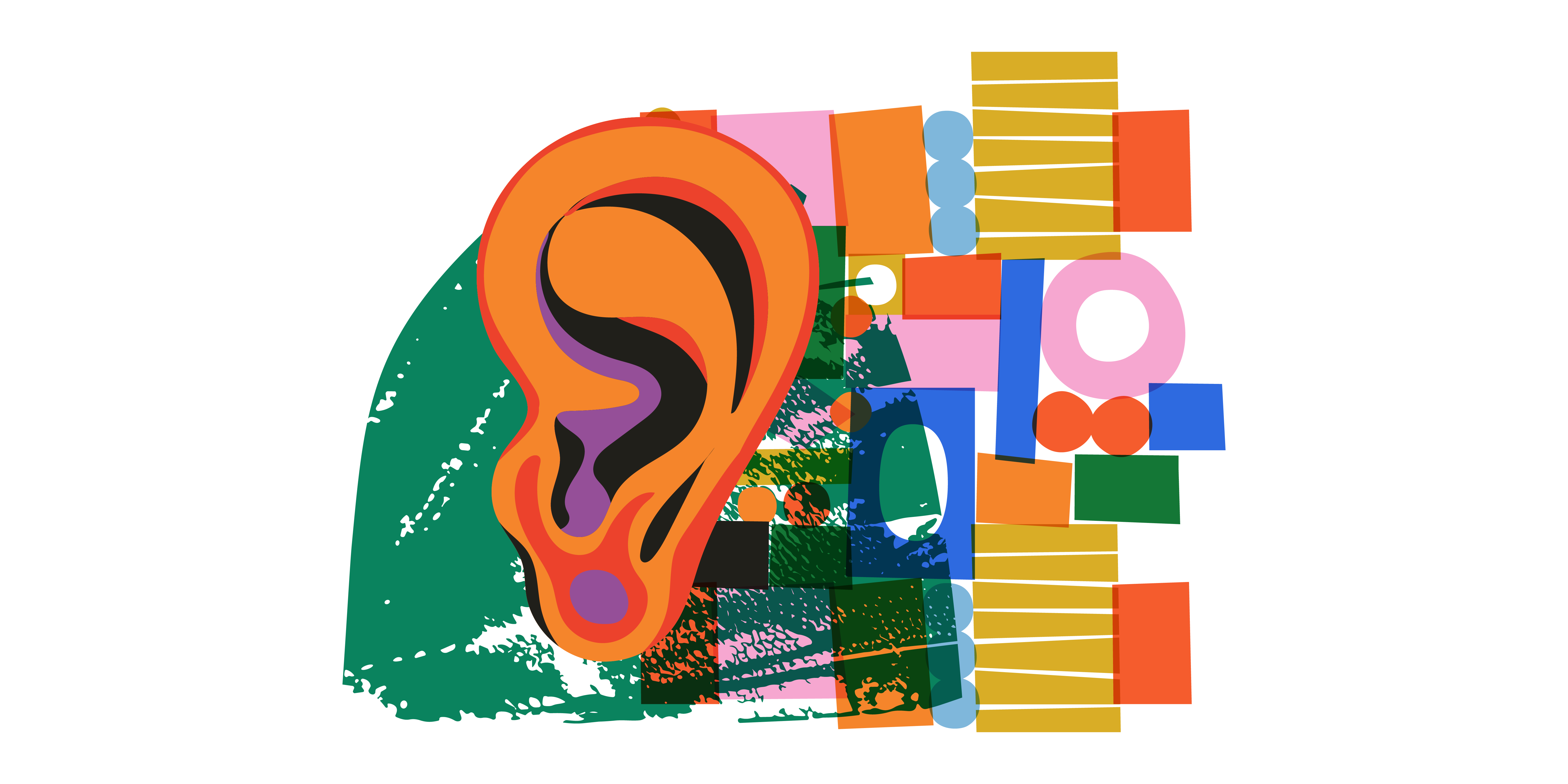
Vincent van Gogh is remembered partly through the mythology surrounding the work: the poverty, the letters, the instability and, obviously, the ear. The ear has done incredible work for the Van Gogh brand. But nobody would care that he cut off part of it if the paintings were terrible. If The Starry Night looked like something painted during a corporate team-building afternoon, the personal drama would be an odd historical anecdote and nothing more.
The story matters because the paintings matter first.
Musicians sometimes reverse that relationship. They become extremely good at building everything around the work before being particularly ruthless about the work itself. There’s a visual identity, an electronic press kit, a photographer, a logo, a content plan and possibly an extremely serious 22-second video in which four people walk slowly through an industrial building. Then the song comes out and sounds like eleven other songs you heard last month.
No amount of marketing sophistication changes what happens when someone presses play.
That isn’t an argument against marketing. Good marketing is enormously useful once there’s something worth amplifying. A promoter can introduce you to an audience. A journalist can give people context. A booking agent can get you into better rooms. A manager can provide strategy and, with luck, stop you sending the email you’ve been angrily rewriting since 1:30 in the morning.
All of those people can create opportunities. None of them can manufacture the reaction at the other end.
If you want to know whether your band is ready for a bigger audience, imagine somebody solves your visibility problem tomorrow. Ten thousand people hear the new song. Twenty thousand see the video. A major festival gives you a great slot. The algorithm finally stops personally conspiring against you. What happens next? Do people remember your name two days later? Do they send the song to somebody? Do they look up the older records or buy a ticket? Is there anything in what you’re doing that creates curiosity beyond the three minutes they’ve just heard? The question is uncomfortable because it removes the villain. You can’t blame an algorithm for being forgettable.
Artists who genuinely grow usually give people something specific to attach themselves to. That doesn’t require inventing a new genre or becoming deliberately strange. The desperate attempt to be unique can be every bit as tedious as sounding like everybody else. It simply means making enough real decisions that the project develops an identity: a recognisable voice, lyrics with an actual point of view, artwork that belongs to the music, a live show with its own character.
Specificity is frightening because every decision excludes somebody, which is partly why so many bands get trapped in good taste. The photographs are tasteful, the artwork is tasteful, the production is tasteful and the songs are tasteful. Everything gets expertly sanded until there’s nothing left for anyone to grab onto. Eventually the band resembles a newly renovated Airbnb: beautiful lighting, neutral colors and absolutely no evidence a human being has ever lived there.
Artists also tend to imagine growth as attracting more casual listeners, when the first step is usually creating a smaller group of people who care far more than is reasonable. You need the person who brings three friends next time, learns the words, buys the shirt despite already owning enough shirts and argues about your second record the way families argue about inheritance.
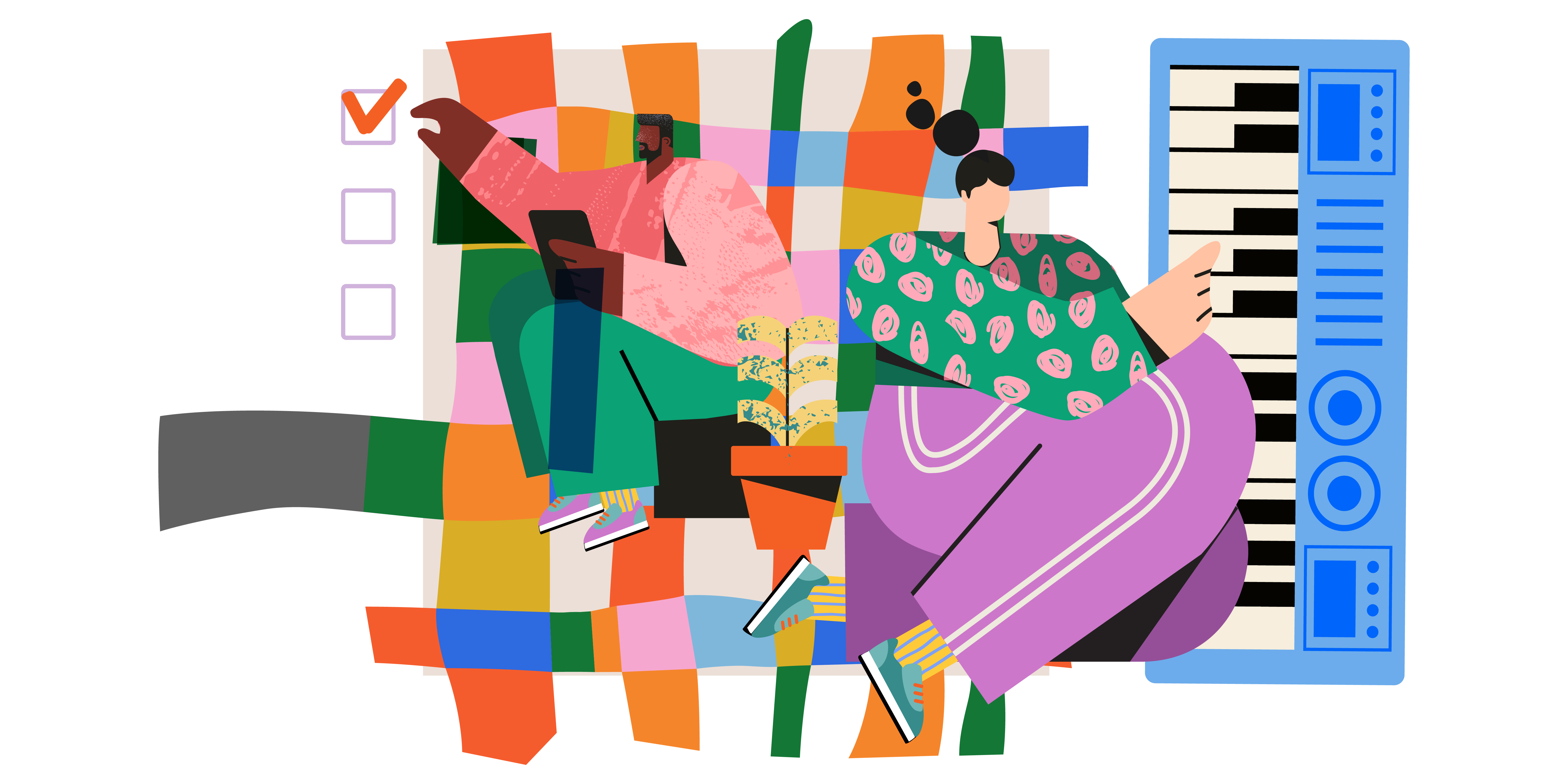
Those people create scale. Marketing can find them, but it can’t make them.
This is why networking is still useful, just not because somebody in the room has the combination to the safe. There is no combination. The useful conversations are the ones that help you understand where you actually are. Is the live show strong enough? Is there a song people immediately respond to? Does the project make sense to somebody encountering it cold? Are you playing the wrong rooms? Does everybody in your own band even understand what you’re trying to do?
Those are better questions than how many times a week you should post a Reel.
Learn the business too, obviously. Musicians occasionally use “the music should speak for itself” as an excuse for being astonishingly bad at every practical aspect of having a career. Send proper photos. Answer emails. Understand ticket sales. Learn how advertising works. Know who you’re contacting before you contact them. Don’t attach a 38MB WAV file to an unsolicited email and then feel resentful when Pitchfork fails to respond.
The business matters. It just can’t replace the work.
There’s an entire industry built around helping artists reach more people, and much of it is genuinely valuable.
But before worrying about reaching 100,000 people, it’s worth asking whether the hundred people in front of you have been given a reason to care.
Nobody would remember Van Gogh’s ear if the paintings were shit.